A high blood glucose reading can feel discouraging, especially when you are already balancing work, family, appointments and everyday responsibilities. The best ways to manage diabetes are not about being perfect every day. They are about building a realistic routine, understanding what affects your levels and having a care team that can help you make timely adjustments.
Diabetes management looks different for each person. Your plan may depend on whether you have type 1, type 2 or gestational diabetes, as well as your medicines, age, other health conditions and personal goals. A regular GP can help turn broad advice into a plan that fits your life.
Best ways to manage diabetes day to day
Know your numbers and what they mean
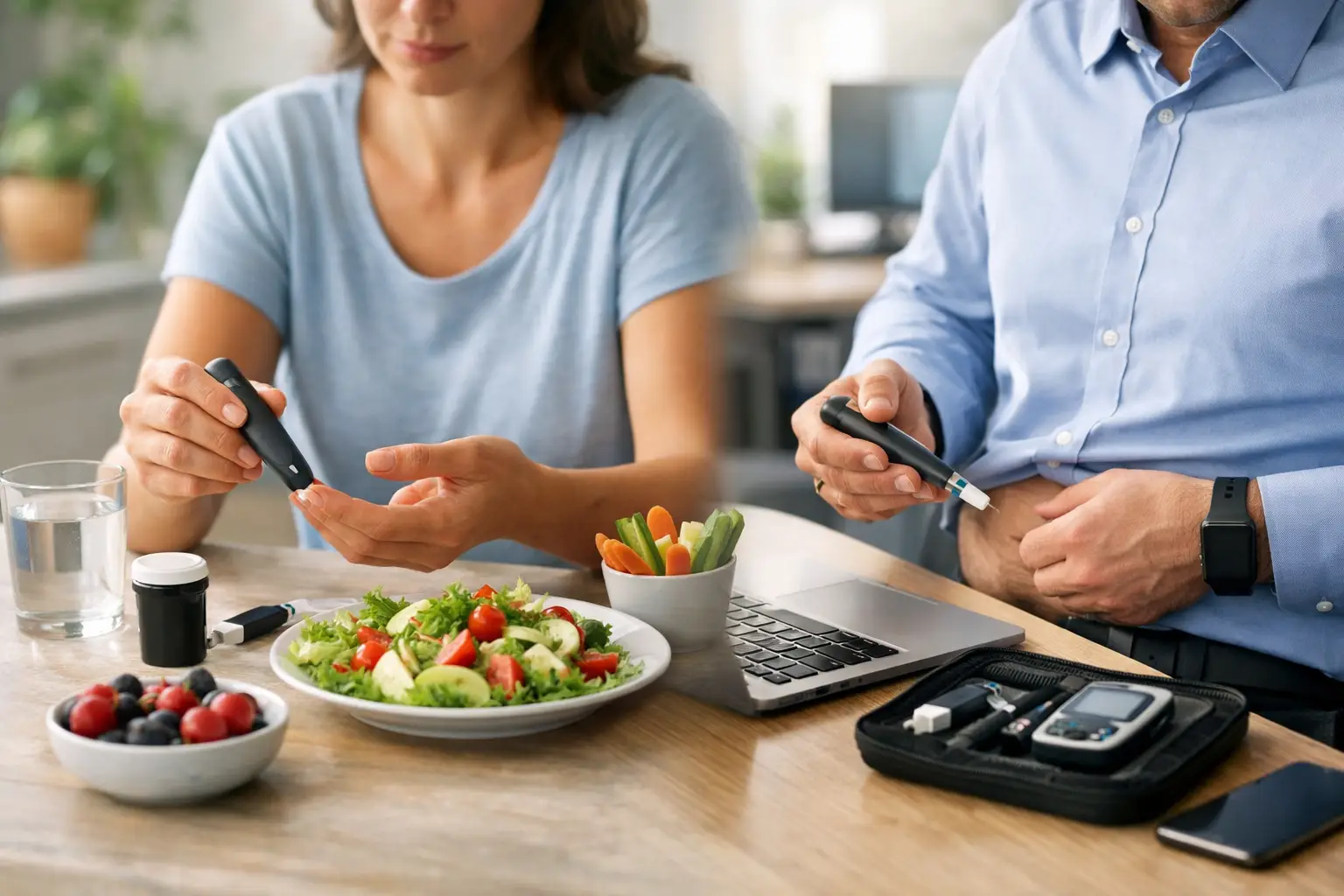
Blood glucose monitoring gives you useful information about how food, activity, stress, illness and medication affect your body. Some people use a blood glucose meter, while others use continuous glucose monitoring. Your doctor or diabetes educator can advise how often to check your levels and what targets are suitable for you.
Keep a simple record of your readings, particularly if you notice patterns. For example, consistently high morning readings, lows after exercise or changes after particular meals are worth discussing. The aim is not to judge yourself for a number. It is to use the information to make safer, more informed decisions.
Your GP may also arrange HbA1c blood tests. This test reflects your average blood glucose level over roughly the previous two to three months. It is an important guide, but it does not replace day-to-day monitoring or a conversation about how you are feeling.
Take medicines as prescribed
Diabetes medicines work best when taken consistently and reviewed regularly. Depending on your diabetes type and needs, treatment may include tablets, injectable medicines, insulin or a combination. Do not stop, skip or change doses without speaking with your prescribing clinician, even if your readings improve.
If you are finding a medicine difficult to take, are experiencing side effects or cannot afford a prescription, raise this at your appointment. There may be another option, a different dosing schedule or practical support available. Bringing all of your medicines, supplements and glucose records to a review can make the discussion more productive.
Insulin users should also make sure they understand injection technique, site rotation, storage and what to do if a dose is missed. These small details can make a meaningful difference to glucose management.
Build meals around consistency, not restriction
There is no single diabetes diet that suits everyone. Strict food rules can be difficult to maintain and may make eating feel stressful. A more helpful approach is to eat regular meals, include a variety of high-fibre foods and be mindful of portions of carbohydrate foods.
Vegetables, legumes, wholegrains, fruit, yoghurt, lean proteins, nuts and healthy fats can all have a place in a balanced eating pattern. Carbohydrates are not off limits, but their type, amount and timing can affect blood glucose levels. Choosing higher-fibre options such as grainy bread, oats, brown rice or beans may help slow the rise in glucose for many people.
Sugary drinks can cause a quick increase in blood glucose, so water is usually the best everyday choice. Alcohol needs extra care, particularly if you use insulin or medicines that can cause low blood glucose. It may increase the risk of a hypo, sometimes hours later. Ask your GP or diabetes educator for individual advice before making significant dietary changes.
Make movement part of your usual week
Physical activity helps the body use insulin more effectively and supports heart health, sleep, mood and weight management. You do not need to start with an intense exercise program. A walk during your lunch break, gardening, swimming, cycling, home exercises or taking the stairs can all contribute.
Try to find activity you enjoy and can repeat. If you sit for long periods at work or while driving, standing up and moving regularly can be a practical starting point. For many adults, a mix of aerobic activity and strength-based exercise is beneficial, but the right level depends on your fitness, joints, heart health and diabetes treatment.
If you take insulin or certain glucose-lowering medicines, activity can increase your risk of low blood glucose. Check your plan for monitoring, food intake and treatment adjustments around exercise. Seek advice before beginning a new program if you have chest pain, severe shortness of breath, foot problems or other health concerns.
Prepare for low blood glucose
Low blood glucose, also called hypoglycaemia or a hypo, needs prompt treatment. Symptoms can include shaking, sweating, hunger, dizziness, headache, irritability, confusion or difficulty concentrating. Some people notice different symptoms, and repeated hypos can make warning signs less obvious.
Carry a fast-acting carbohydrate source, such as glucose tablets or jelly lollies, if you are at risk of hypos. Your doctor or diabetes educator can explain how to treat a low, when to recheck your level and when to follow up with a longer-acting snack or meal. Family members, friends and colleagues should know how to recognise a serious hypo and when to call emergency services.
Severe confusion, loss of consciousness or a seizure is an emergency. Do not give food or drink to someone who is unconscious. Call 000 immediately.
Look after the parts of health diabetes can affect
Diabetes care is about more than glucose readings. Over time, high blood glucose can affect the heart, kidneys, eyes, nerves and feet. Regular preventive checks can help identify concerns early, often before you have symptoms.
Your diabetes review may include blood pressure, cholesterol, kidney function, weight, medication review and discussion of smoking, sleep and emotional wellbeing. You may also need regular eye examinations and foot checks. Let your GP know about blurred vision, numbness, burning pain, slow-healing cuts, changes in skin colour or swelling in your feet.
Foot care deserves daily attention. Check for blisters, cuts, redness or cracks, including between the toes. Wear well-fitting shoes, avoid walking barefoot and seek early advice for any wound, even if it seems minor. Delaying care can allow a small problem to become more serious.
Have a plan for illness, travel and busy periods
Colds, gastro, infections, surgery and emotional stress can raise blood glucose levels. During illness, you may need to monitor more often, drink extra fluids and adjust treatment under medical guidance. Never assume you should stop insulin when you are unwell. For people with type 1 diabetes especially, this can be dangerous.
Ask your GP for a written sick-day plan that explains when to check glucose and ketones, which medicines may need adjustment, and when to seek urgent care. Contact a doctor promptly if you cannot keep fluids down, have persistent high readings, ketones, vomiting, severe abdominal pain, rapid breathing or increasing drowsiness.
For travel, pack medicines and testing supplies in your carry-on bag, bring more than you expect to need and keep prescriptions or a medication list accessible. Time-zone changes, altered meal times and increased activity can all affect glucose levels.
Make your care team part of the plan
Managing diabetes alone can become overwhelming. Regular appointments create space to review your results, discuss barriers and update your plan as your circumstances change. A GP may coordinate care with practice nurses, diabetes educators, dietitians, podiatrists, pharmacists and other health professionals where needed.
At Parkmore Medical Centre, patients can speak with their GP about ongoing diabetes monitoring, health assessments, pathology needs and referrals that support coordinated chronic disease care. This can be particularly helpful when diabetes is occurring alongside high blood pressure, high cholesterol, weight concerns or other health conditions.
Before an appointment, write down your questions and bring your glucose records or monitoring device if possible. Mention practical challenges too: shift work, caring responsibilities, food costs, trouble remembering doses or worries about side effects. These are not failures. They are the details that help your healthcare team recommend a plan you can actually follow.
A manageable diabetes routine is built one decision at a time. Start with the next useful step, whether that is booking a review, checking your feet tonight or taking a short walk after dinner, and let consistent support carry you forward.