Choosing a long-acting contraceptive can feel like a big decision, particularly when you want something reliable without needing to remember a daily tablet. When comparing IUD insertion vs implant, both options are highly effective, reversible and suitable for many people, but they work differently and involve different fitting procedures, side effects and timeframes.
The right choice is rarely about which method is “best” overall. It is about what suits your medical history, periods, plans for pregnancy, comfort with procedures and personal preferences. A GP can talk through these factors with you and help you make an informed decision.
IUD insertion vs implant: the key difference
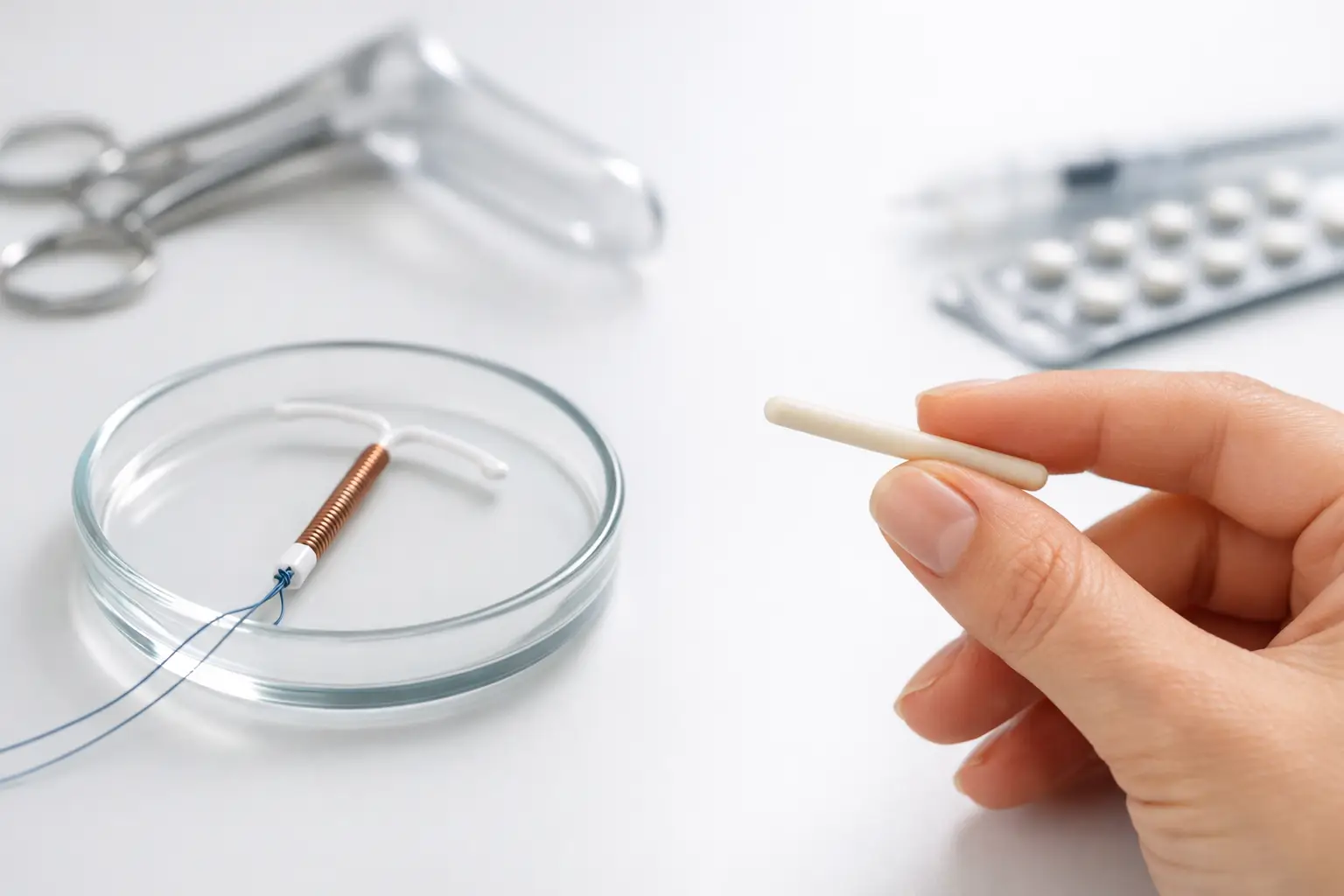
An intrauterine device, commonly called an IUD, is a small device placed inside the uterus. In Australia, this may be a hormonal IUD, sometimes called an IUS, or a copper IUD. Hormonal IUDs release a small amount of progestogen into the uterus. Copper IUDs do not contain hormones and instead use copper to prevent pregnancy.
The contraceptive implant is a small, flexible rod placed just under the skin on the inner side of the upper arm. It releases a progestogen hormone into the bloodstream over time.
Both methods are more than 99% effective when correctly inserted and in date. Neither protects against sexually transmissible infections, so condoms may still be worthwhile, particularly with new or multiple partners.
How long do they last?
One reason people choose long-acting reversible contraception is the convenience. Once fitted, there is no daily, weekly or monthly action required.
A hormonal IUD may provide contraception for several years, depending on the specific product and your circumstances. It can often be replaced at the same appointment when it reaches the end of its approved duration. Copper IUDs can last longer than some hormonal options, with the exact timeframe depending on the device used.
The implant generally lasts for up to three years. It needs to be removed or replaced by its expiry date if you wish to continue using it for contraception.
Both can be removed earlier if you decide you would like to try for pregnancy, change methods or are experiencing side effects that do not settle. Fertility generally returns quickly after removal, although the timing can vary from person to person.
What is the fitting process like?
IUD insertion
IUD insertion is performed through the vagina and cervix, usually in a GP clinic or specialist setting. The procedure itself is often brief, but the experience can vary considerably. Some people describe strong period-like cramps during and shortly after insertion, while others find it more uncomfortable than painful.
Your clinician may recommend timing the appointment around your menstrual cycle in some situations, arrange a pregnancy test or discuss pain-relief options beforehand. It is helpful to ask what you can take before the appointment, whether you should arrange a lift home and what to expect over the following days.
After insertion, cramping and light bleeding or spotting can occur. You may be advised to check the IUD strings once you are comfortable doing so, and to return if you cannot feel them, they seem different, or you have concerns.
Implant insertion
An implant is fitted under local anaesthetic. Your clinician numbs a small area of the upper arm, inserts the implant through a tiny opening and applies a dressing. The procedure is usually quick, and you should be able to feel the implant under your skin afterwards.
There may be bruising, tenderness or mild swelling around the site for a few days. You will receive instructions about keeping the dressing clean and when it can be removed. Implant removal also uses a local anaesthetic and requires a small incision.
For people who are anxious about an internal procedure or who prefer not to have one, the arm implant may feel like the more straightforward option. For others, a brief IUD procedure is preferable to having a device that can be felt in the arm.
How can they affect your periods?
Bleeding changes are one of the most practical differences between an IUD and an implant. They are also one of the main reasons a person may prefer one method over another.
Hormonal IUDs often make periods lighter, shorter and less painful over time. Some people stop having periods altogether. This is safe for most users and does not mean blood is building up in the body. Because of this effect, hormonal IUDs may be particularly helpful for people with heavy or painful periods, where clinically appropriate.
Copper IUDs may make periods heavier, longer or more painful, especially in the first few months. They can be a good option for someone who would prefer a non-hormonal method, but may not be ideal for a person who already experiences heavy bleeding or significant cramps.
With the implant, bleeding can be less predictable. Some people have lighter or absent periods, while others have irregular spotting, prolonged bleeding or more frequent bleeding. There is no reliable way to predict exactly how your body will respond before it is fitted. If irregular bleeding becomes troublesome, a GP can discuss ways to manage it or whether another method would be more suitable.
Side effects and health considerations
Because hormonal IUDs release hormone mainly in the uterus, the amount circulating through the body is lower than with the implant. Some people still notice hormonal effects, such as acne, breast tenderness, headaches or mood changes, although experiences differ.
The implant can also be associated with acne, headaches, breast tenderness, mood changes or changes in libido for some users. It does not contain oestrogen, which makes it an option for many people who cannot use combined hormonal contraception. However, suitability always depends on your individual health history.
IUD insertion has uncommon but important risks, including infection shortly after the procedure, the device coming out, or rarely injury to the uterus during insertion. An IUD may not be appropriate for everyone, including people with certain uterine conditions, unexplained vaginal bleeding or an active pelvic infection.
The implant has a small risk of infection, bleeding or scarring at the insertion site. It may be less suitable with certain medicines or health conditions, including some treatments that affect how hormones are processed by the body. Your clinician will review your medications, allergies and medical history before fitting either method.
Which option may suit your situation?
A hormonal IUD may be worth considering if you would like highly effective contraception and hope for lighter periods. A copper IUD may suit someone wanting a long-term, hormone-free option. It can also be used as emergency contraception in specific circumstances, but this requires prompt clinical advice.
An implant may suit you if you want an effective method that avoids an internal procedure, would prefer fitting in the arm, or do not want to think about contraception for up to three years. Its biggest trade-off is often unpredictable bleeding.
Your plans matter too. If you are considering pregnancy within the next year or two, either option can still be appropriate because both are reversible. If you have recently given birth, are breastfeeding, have had a difficult experience with contraception before, or have a condition such as heavy periods or migraines, these details can help guide the conversation.
Preparing for a contraceptive consultation
A contraception appointment is a chance to talk openly, without pressure, about what has and has not worked for you. It can help to mention your usual period pattern, previous contraception, any history of pelvic infection or abnormal bleeding, current medicines and whether avoiding hormones is important to you.
You can also ask practical questions: what the fitting appointment involves, how much discomfort to expect, when the method becomes effective, what bleeding changes are common and when you should seek review. If you are considering an IUD, ask whether a separate consultation is needed before the insertion appointment.
At Parkmore Medical Centre, a GP can provide personalised contraceptive advice and discuss whether an IUD or implant aligns with your health needs and lifestyle. The most useful next step is a conversation that gives you clear options, enough time for questions and a plan you feel comfortable with.