
A last-minute holiday booking can feel exciting until you realise your passport is not the only thing that needs checking. From vaccination requirements to managing regular medicines across time zones, Springvale travel medicine appointments help turn a long overseas to-do list into a clear, personal health plan.
Whether you are visiting family overseas, taking a work trip, travelling with young children or planning an extended adventure, the right preparation depends on where you are going, how long you will be away and your individual health needs. A GP can help you understand the practical steps that matter for your itinerary, rather than relying on general advice that may not apply to your circumstances.
Why travel health advice should be personal
Two people travelling to the same country may need very different advice. A short stay in a major city has different health considerations from several weeks in rural areas. The season, local outbreaks, planned activities and access to medical care can all affect the recommendations you receive.
Your age, pregnancy status, allergies, existing conditions and current medicines matter too. Someone with diabetes, asthma, heart disease or a reduced immune system may need extra planning before departure. Parents travelling with babies or children also need advice that accounts for age-appropriate vaccines, medication doses and the realities of travelling with a family.
Travel medicine is not only about vaccinations. It brings together prevention, medication management and sensible preparation, so you are less likely to face avoidable health issues while away.
When to book a Springvale travel medicine appointment
Ideally, arrange your appointment six to eight weeks before leaving Australia. Some vaccinations need time to provide protection, while others are given as a course over several visits. Early planning also gives your GP time to review your medical history, organise prescriptions and discuss any destination-specific risks.
That said, it is still worth booking if you are leaving sooner. There may be vaccinations, prescriptions or practical precautions that can still help, even if your trip is only days away. Your clinician can explain what is realistic within your available timeframe.
If you are travelling for an extended period, going to remote regions, visiting friends and relatives overseas, or expecting to work in healthcare or close community settings, allow additional time. These trips can involve different exposure risks from a standard resort holiday.
What happens at a travel medicine consultation?
A travel consultation starts with the details of your journey. Your GP will usually ask about each country you plan to visit, including stopovers, dates, accommodation and activities. A beach holiday, hiking trip, cruise, business conference and visit to regional family communities can all lead to different recommendations.
Your clinician will also review your vaccination history, current prescriptions, allergies and relevant medical conditions. Bring any vaccination records you have, as well as a list of medicines and supplements you take. If you are unsure about past immunisations, let the clinic know – incomplete records are common and can be discussed safely.
Depending on your plans, the discussion may cover routine vaccines that need updating as well as travel-related vaccinations. Your GP can explain the benefits, timing, possible side effects and any reasons a particular vaccine may not be suitable for you.
You may also need advice about preventing insect-borne illnesses, food and water safety, traveller’s diarrhoea, altitude-related illness, sun exposure, blood clots on long flights, animal bites or managing jet lag. The purpose is not to alarm you. It is to help you make informed, practical choices before you leave.
Vaccinations and entry requirements
Some countries require proof of particular vaccinations for entry, particularly when arriving from or transiting through certain regions. Requirements can change, so they should be checked close to travel dates. A GP can help you understand the health side of these requirements and ensure records are completed appropriately where relevant.
Recommended vaccinations are different from entry requirements. You may not be asked for a certificate at the border, but a vaccine could still be strongly advised based on local disease risk and the nature of your trip. This is where personalised advice is more useful than copying another traveller’s checklist.
Routine Australian immunisations should also be considered. Travel can increase exposure to illnesses that are uncommon at home, and crowded airports, tours and events create opportunities for infections to spread. Keeping regular vaccines up to date is part of sensible pre-travel care.
Travelling with regular medicines
If you take regular medication, plan early. Carry enough for the full trip, with extra supply for delays where possible, and keep essential medicines in your hand luggage. Checked bags can be delayed or lost, and some medicines can be difficult to replace overseas.
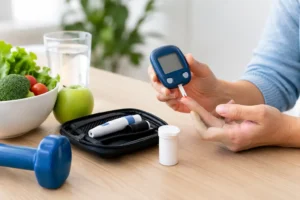
Ask your GP whether you need a letter explaining your condition and prescribed medication. This can be particularly helpful for injectable medicines, controlled medicines or equipment such as needles and glucose-monitoring supplies. Keep medicines in their original labelled packaging, and check whether there are restrictions in the countries you are visiting or transiting through.
Time zones deserve attention as well. For some medications, changing the time you take a dose may need a plan rather than a guess. This is especially relevant for insulin, anticoagulants, seizure medication and hormonal contraception. Your GP or pharmacist can provide advice suited to your treatment schedule.
A practical health kit for your trip
What belongs in a travel health kit depends on the destination and your needs. A basic kit may include pain relief, oral rehydration products, adhesive dressings, antiseptic, sunscreen and insect repellent. If you are travelling with children, include age-appropriate items and ensure you understand the correct doses before you go.
Your GP may recommend additional prescribed medication in some situations. This should always be based on an individual assessment, as not every traveller needs the same medicines and some treatments are unsuitable alongside existing conditions or prescriptions.
Do not forget the non-medical essentials: comprehensive travel insurance, copies of prescriptions, a summary of key medical information and contact details for your insurer. Travel insurance does not prevent illness, but it can make a significant difference if you need care, cancellation support or medical evacuation overseas.
Staying well while you are away
The most valuable travel health habits are often straightforward. Wash or sanitise your hands regularly, choose food and drinks carefully where hygiene is uncertain, use insect repellent as directed and seek shade during the hottest part of the day. On long flights or drives, move regularly, stay hydrated and consider compression stockings if they have been recommended for you.
Be cautious around animals, even if they appear friendly. Avoid feeding or touching unfamiliar dogs, cats, monkeys and bats. If you are bitten or scratched, wash the area thoroughly and seek urgent local medical advice. Do not wait until you return to Australia, particularly in areas where rabies may be present.
If you develop fever, significant diarrhoea, shortness of breath, a rash, severe headache or worsening symptoms during travel, seek medical care locally. If you become unwell after returning home, tell your GP where you have travelled and when. That information can be important when assessing symptoms.
Coordinated care before departure
For travellers in Springvale and surrounding south-eastern suburbs, Parkmore Medical Centre can provide a convenient place to discuss travel vaccinations, prescriptions and broader health needs with a GP who understands your medical history. This is particularly useful when travel planning sits alongside chronic disease management, family healthcare or preventive checks.
Book your appointment as soon as your itinerary is taking shape and bring the details with you. A little preparation before you fly can help you travel with greater confidence and focus on the reasons you planned the trip in the first place.