
A diabetes monitoring essentials list is not about collecting more numbers than you need. It is about knowing which information helps you make safe day-to-day decisions, recognise a change early and have a more useful conversation with your GP or diabetes care team. The right routine should fit your type of diabetes, treatment plan, work and family life.
For some people, checking blood glucose several times a day is necessary. For others, the focus may be regular pathology tests, blood pressure checks and preventive health reviews. Your clinician can help you create a plan that is thorough without becoming overwhelming.
Your diabetes monitoring essentials list
1. A reliable way to monitor blood glucose
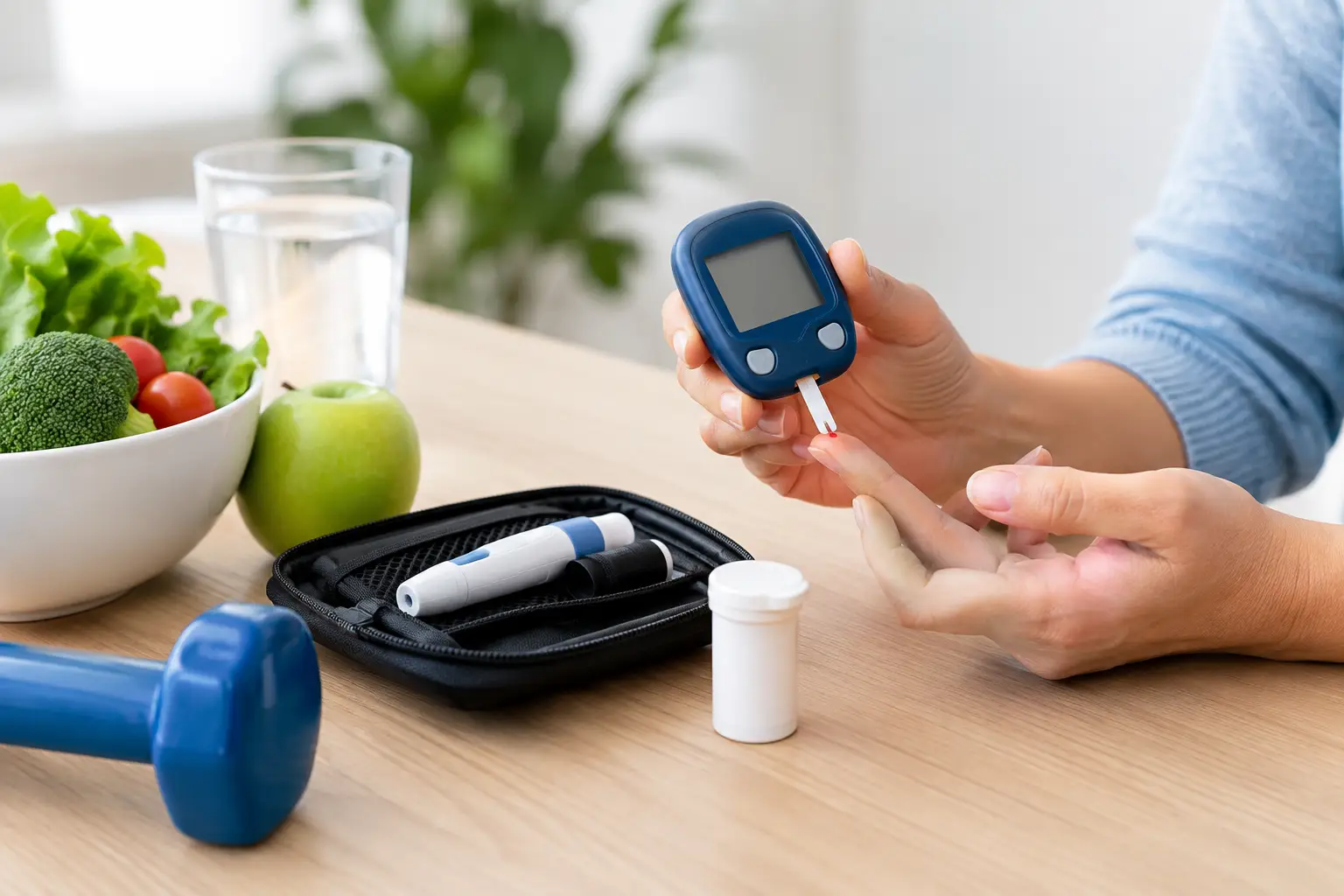
Blood glucose monitoring helps show how your body responds to meals, physical activity, stress, illness and medication. You may use a finger-prick blood glucose meter, continuous glucose monitoring (CGM), or a combination of both.
If you use a meter, keep it with in-date test strips, a lancing device and spare lancets. Check that your strips are stored according to the packet instructions, as heat and moisture can affect results. A small travel kit can make monitoring easier when you are at work, visiting family or away for the weekend.
CGM systems can show glucose patterns and alerts, which may be particularly helpful for people using insulin or those who experience low glucose levels without obvious symptoms. They do not suit every person or budget, and occasional finger-prick checks may still be recommended. Ask your GP or diabetes educator how to interpret readings and when to act on them.
Your individual target range matters. A result that is suitable for one person may not be suitable for another, particularly during pregnancy, in older age or when there are other health conditions. Follow the targets set out in your personal diabetes management plan.
2. A simple record of patterns
The most helpful record is the one you will actually use. This may be an app, your CGM report, a notebook or a printed diary. Rather than writing down every detail of your day, record information that explains a reading or helps identify a pattern.
For example, note whether a result was taken before or after eating, if you missed or delayed a meal, completed unusual exercise, felt unwell or changed a medicine. If you have repeated highs or lows at similar times, bring that information to your appointment. It can guide safer treatment adjustments than relying on a single reading.
Avoid changing prescribed medicines or insulin doses on your own unless you have been given clear instructions for doing so. A pattern over several days deserves attention, while one unexpected result may simply need a repeat check and some context.
3. Your medicines and prescriptions
Keep an up-to-date list of all prescribed medicines, including insulin, non-insulin diabetes medicines, blood pressure tablets, cholesterol medicines and any supplements. Include the dose, timing and the reason you take each one. This is particularly useful if you see different health professionals or need urgent care.
Check your supply before it runs low. Insulin and some injectable medicines need specific storage, so ask your pharmacist or clinician how to store them at home and while travelling. Needles and sharps must be disposed of safely in an approved sharps container, not placed loose in household rubbish.
If side effects, cost or a complicated routine make it hard to take your medication as prescribed, raise this early. There may be alternatives, practical supports or a simpler approach that better suits your circumstances.
4. Food, activity and wellbeing check-ins
You do not need to judge every meal as good or bad. Instead, use monitoring to understand your own patterns. Notice how meal timing, portion size, alcohol, sleep and activity affect your glucose levels. A dietitian can provide individual advice that respects cultural preferences, budget and family routines.
Regular movement can improve glucose management, but it may affect readings differently depending on your medication and the type or duration of activity. If you use insulin or medicines that can cause hypoglycaemia, discuss how to plan for exercise and when to carry a fast-acting carbohydrate source.
Stress, poor sleep, pain and illness can also raise blood glucose. These are real physical influences, not personal failures. A brief weekly check-in about energy, mood, sleep and confidence with your plan can be as valuable as reviewing the numbers.
5. Hypoglycaemia supplies and a sick-day plan
Low blood glucose, or hypoglycaemia, needs prompt treatment. Your care team can explain the level that counts as low for you, the symptoms to watch for and the appropriate treatment. Common symptoms include shaking, sweating, hunger, headache, dizziness, irritability or difficulty concentrating, although symptoms vary.
Keep a quick source of glucose with you, such as glucose tablets or another option recommended by your clinician. Tell close family members, friends or colleagues what a hypo may look like and how they can help. If you take insulin or certain diabetes tablets, ask whether glucagon is appropriate for your household and how people around you should use it.
Illness can send glucose levels higher even when you are eating less. A written sick-day plan should cover how often to check glucose, when to check ketones if relevant, how to manage fluids and when to seek medical advice. Keep the plan somewhere easy to find, not just in your memory.
Monitoring beyond blood glucose
Diabetes care involves more than day-to-day readings. Regular reviews help identify complications early, when treatment and prevention options are most effective. The timing of these checks depends on your health, diabetes type and current treatment.
Your GP may organise or review:
- HbA1c blood tests, which give an indication of average glucose over the previous few months
- blood pressure, weight and cardiovascular risk factors such as cholesterol
- kidney health tests, including urine and blood tests
- foot checks for circulation, skin changes and reduced sensation
- eye screening to look for diabetes-related retinal changes
- vaccinations and other preventive care suited to your age and health needs.
Foot care is worth making part of your usual routine. Check your feet for cuts, blisters, redness, swelling, cracked skin or changes in colour. Wear well-fitting shoes and avoid walking barefoot, particularly outdoors. Seek advice promptly for a wound, ulcer, spreading redness, warmth or a foot that becomes painful or swollen.
When a reading needs urgent attention
A single higher-than-usual reading does not always mean an emergency. It may be linked to a large meal, stress, infection, missed medication or a technical issue with your equipment. Recheck if advised, drink water if safe for you, and follow your personal action plan.
However, seek urgent medical care if high glucose is accompanied by vomiting, abdominal pain, rapid or deep breathing, increasing drowsiness, confusion, dehydration or positive ketones. These symptoms can indicate a serious diabetes emergency. Severe hypoglycaemia, loss of consciousness, seizure or inability to swallow also requires urgent help.
Contact your GP promptly if you have repeated unexplained highs or lows, frequent hypos, new numbness or pain in your feet, vision changes, a wound that is slow to heal, or you are unsure how to manage diabetes during illness. Early support can prevent a small concern becoming a larger one.
Make monitoring workable at home and at work
The best monitoring plan is practical enough to continue during busy weeks. Keep supplies in one familiar place at home, set discreet reminders on your mobile if helpful and take a small kit when leaving the house. If shift work, fasting, caring responsibilities or travel make routines unpredictable, let your GP know. These details affect when and how monitoring should happen.
Bring your meter, CGM reports or written record to appointments. At Parkmore Medical Centre, your regular GP can coordinate diabetes reviews with nursing, pathology and allied health support where appropriate, helping keep care connected rather than fragmented.
Your diabetes plan can change over time, and that is normal. A monitoring routine that supports you now should leave room for real life while giving you and your care team the information needed to keep you well.