
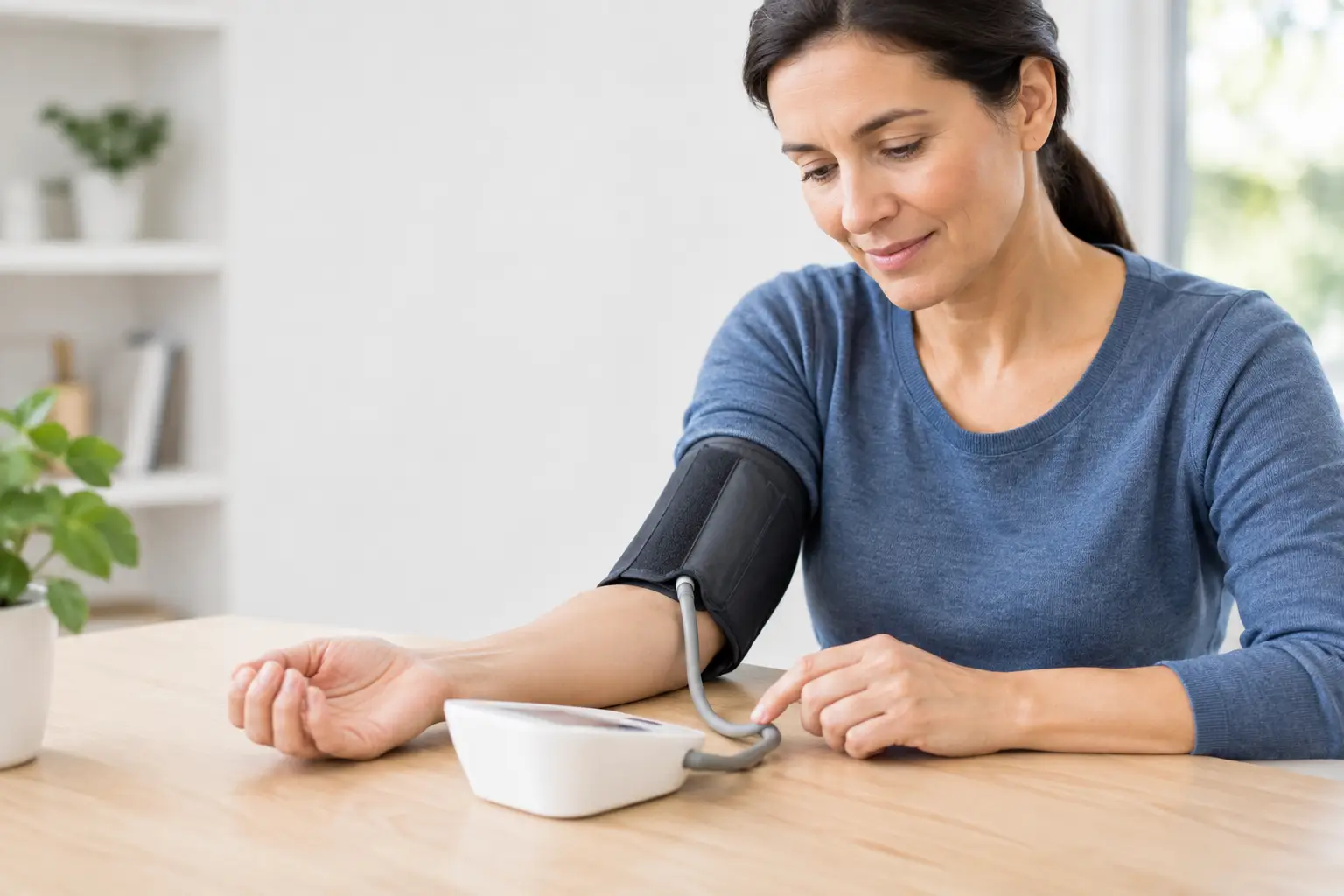
A single high reading after a stressful commute, a coffee or a rushed walk into the clinic does not always reflect your usual blood pressure. That is why blood pressure monitoring is most useful when it shows a pattern over time. For many people, it is a practical part of staying well, particularly if there is a family history of high blood pressure, heart disease, stroke, diabetes or kidney disease.
High blood pressure, also called hypertension, often causes no noticeable symptoms. You can feel completely well while pressure on your arteries is gradually increasing the risk of heart attack, stroke, kidney problems and other health concerns. Regular checks give your GP information that symptoms alone cannot provide.
Why blood pressure monitoring matters
Blood pressure is recorded as two numbers. The top number, systolic pressure, measures the pressure when the heart pumps. The lower number, diastolic pressure, measures the pressure while the heart relaxes between beats. Both numbers matter, but they need to be considered alongside your age, health history, medicines and overall cardiovascular risk.
A reading can change throughout the day. Physical activity, pain, anxiety, poor sleep, alcohol, smoking, caffeine and some medicines can all affect the result. This does not mean a higher reading should be ignored. It means that repeated, well-taken readings are usually more helpful than drawing conclusions from one result.
Your GP may recommend monitoring if a clinic reading is elevated, if you are starting or changing blood pressure medication, or if you have a condition such as diabetes, kidney disease or heart disease. It can also be useful during pregnancy, when blood pressure changes need timely medical assessment.
Home blood pressure monitoring: getting reliable readings
A validated upper-arm monitor is generally preferred over a wrist device. The cuff must be the right size for your upper arm. A cuff that is too small or too large can produce misleading results, so it is worth bringing your device to an appointment to check that it fits and is being used correctly.
For the most consistent home blood pressure monitoring, measure at roughly the same times each day, often in the morning and evening if your clinician has advised this. Sit quietly for five minutes beforehand, with your back supported, feet flat on the floor and your arm resting at heart level. Avoid talking during the measurement.
Try not to check immediately after exercise, smoking, drinking caffeine or eating a large meal. Emptying your bladder first can also help. Take two readings about one minute apart and record both, unless your GP has given different instructions. Rather than focusing on the highest or lowest number, record the date, time and any relevant details, such as a headache, missed medicine or unusual stress.
A paper log is perfectly suitable, and many monitors also store readings electronically. The best method is the one you can use consistently and bring to your GP review.
Common mistakes that can affect a reading
Small details can make a meaningful difference. Measuring over clothing, crossing your legs, holding your arm unsupported or speaking during the test can raise the result. So can checking repeatedly because you are worried about a number.
If a reading is unexpectedly high, sit quietly and repeat it after a few minutes. Do not take extra medication unless a doctor has specifically told you to do so. Recording the reading and discussing a repeated pattern with your GP is usually the safest next step.
What is a normal blood pressure reading?
There is no one reading that tells the whole story for every person. Blood pressure targets can differ for older adults, people with diabetes or kidney disease, and people who are pregnant. Readings taken at home may also be interpreted differently from readings taken in a clinic.
In general, your GP will look for a pattern of persistently raised readings rather than diagnosing hypertension from one isolated measurement. They may also arrange blood tests, an ECG, urine testing or 24-hour ambulatory blood pressure monitoring, which measures blood pressure automatically during normal daily activities and sleep. This can help identify white-coat hypertension, where readings are higher in a clinical setting, or masked hypertension, where clinic readings appear normal but home readings are raised.
Low blood pressure can also need attention, especially if it causes dizziness, fainting, blurred vision, weakness or falls. This is particularly important for older people and for anyone taking medicines that affect blood pressure. Let your GP know if symptoms occur when standing up, after meals or following a change in medication.
When should you see a GP?
Book a GP appointment if your home readings are repeatedly above the range discussed with your clinician, if you are unsure how to use your monitor, or if you have stopped taking medication because of side effects. Blood pressure treatment is not only about tablets. Depending on your circumstances, your care plan may include support with weight management, physical activity, sleep, stress, smoking cessation, alcohol intake and dietary changes.
For some people, reducing salt and choosing more vegetables, fruit, legumes, wholegrains and minimally processed foods can make a real difference. For others, medication is an important long-term tool. These approaches often work best together. The right plan depends on your health needs and should be realistic enough to maintain.
At Parkmore Medical Centre, your GP can review your readings in the context of your broader health, medications and family history. Ongoing monitoring is especially valuable when it is connected to regular care, rather than treated as a task you need to manage alone.
When to seek urgent medical help
A very high blood pressure reading should be taken seriously, particularly if it is accompanied by symptoms. Call 000 or seek emergency care straight away for chest pain, shortness of breath, severe headache, confusion, weakness or numbness on one side of the body, difficulty speaking, fainting, sudden vision changes or severe dizziness.
Do not wait for a routine appointment if you have these symptoms, even if you are unsure whether they are related to your blood pressure. They can be signs of a medical emergency.
Making monitoring part of everyday care
Blood pressure monitoring works best when it becomes a calm, repeatable routine rather than a source of anxiety. Keep your monitor somewhere accessible, use the same chair where possible, and take readings according to the plan agreed with your GP. Bring your device and record to appointments so your clinician can review the full picture.
A few careful readings collected over days or weeks can support clearer decisions than one number taken in a hurry. If you have not had your blood pressure checked recently, arranging a routine review is a straightforward step towards protecting your long-term health.