The 3-Year-Old Child Health Assessment: What to Expect & Why It Matters
Toddlers at age three are full of energy, curiosity, and rapid developmental leaps. Between building towering block towers, asking endless “Why?” questions, and mastering toilet training, this stage is as eventful as it is exciting.
However, rapid growth also means it’s the ideal window to evaluate developmental progress. While many parents remember the frequent baby check-ups and the 4-year-old preschool assessments, the 3-year-old health assessment is a crucial checkpoint to ensure your child is thriving socially, physically, and emotionally.
At Parkmore Medical Centre, our general practitioners and practice nurses provide friendly, supportive, and comprehensive health checks for young families in Keysborough and the surrounding southeast Melbourne community.
Here is what you need to know about the 3-year-old health check and why booking this visit matters.
Why Is a Health Assessment Important at Age 3?
Between ages 2 and 4, children undergo profound changes in how they speak, move, and interact with peers. Routine health checks help:
Catch Developmental Delays Early: Intervening early for speech, hearing, vision, or motor delays makes a dramatic difference before a child enters kindergarten or prep school.
Review Vaccinations: Check that your child is fully up-to-date under the National Immunisation Program (NIP) schedule.
Provide Reassurance & Advice: Give parents an open forum to discuss sleep issues, fussy eating, behavioral tantrums, or toilet training hurdles.
What Does a 3-Year-Old Health Assessment Include?
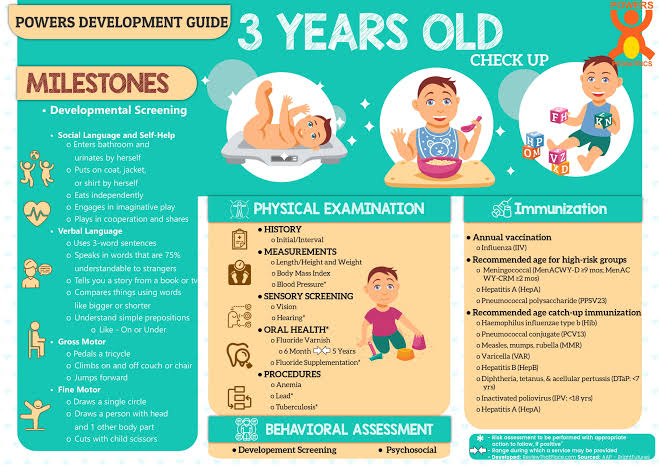
During your visit to Parkmore Medical Centre, our healthcare team focuses on four main pillars:
1. Physical Growth & Overall Health
Height and Weight: We record your child’s measurements and plot them on standard growth charts to track consistent, healthy growth trends.
General Examination: A gentle check of their heart, lungs, tummy, posture, and gait (how they walk and run).
Teeth & Gums: Screening for tooth decay and discussing pediatric oral care habits.
2. Developmental & Motor Milestones
At 3 years of age, doctors look at both fine motor (hand-eye coordination) and gross motor (large movements) skills:
Gross Motor: Can they kick a ball, jump with both feet, walk up stairs holding a rail, or pedal a tricycle?
Fine Motor: Can they hold a crayon with their fingers rather than a fist, stack 6–8 blocks, or copy a circle/vertical line?
3. Speech, Language & Social Skills
Communication expands rapidly around this time:
Speech Clarity: Can family members and familiar adults understand most of what the child says?
Sentence Structure: Are they speaking in sentences of 3 to 4 words?
Social Play: Are they beginning to interact with other children, share (at least occasionally), or engage in imaginative/make-believe play?
4. Vision & Hearing Checks
Mild hearing impairment (often caused by persistent fluid in the middle ear / glue ear) or uncorrected vision problems can directly impact learning, speech development, and coordination. We perform initial screenings and can refer you to pediatric specialists or audiologists if needed.
Common Signs to Discuss with Your GP
Every child develops at their own pace, but you should speak to a doctor if you notice any of the following signs in your 3-year-old:
Unclear speech or difficulty forming short sentences (fewer than 3 words)
Struggles to follow simple 2-step directions (e.g., “Pick up the ball and put it in the box”)
Poor eye contact or rarely showing interest in interacting with peers
Frequent falling, stumbling, or extreme difficulty navigating stairs
Inability to hold a crayon or build a small tower of blocks
Significant loss of previously learned skills
How to Prepare Your Child for Their Visit
Visiting the doctor doesn’t have to be stressful. A few simple steps can make the consultation smooth and enjoyable:
Role Play at Home: Use a toy doctor kit or a favorite teddy bear to show them how a stethoscope works or how the doctor checks their ears.
Keep It Positive: Let them know the doctor wants to see how tall they’ve grown and how strong they are.
Bring Your Blue Book (My Health Record): Bring your Victorian Child Health Record (green/blue book) so our team can record their milestones and immunisation updates.
Jot Down Questions: Write down any questions about diet, sleep routines, screen time, or behavior in advance so nothing gets missed during the appointment.
Book Your Toddler’s Check-Up at Parkmore Medical Centre
Whether it’s routine milestone tracking, immunisation questions, or peace of mind about your toddler’s progress, the caring GP team at Parkmore Medical Centre is here for your family.
📍 Location: Conveniently located next to Parkmore Shopping Centre, Keysborough VIC 3173
📞 Phone: (03) 9791 0777
💻 Online Bookings: Book easily through HotDoc or Automed. Also via our website reception portal.