
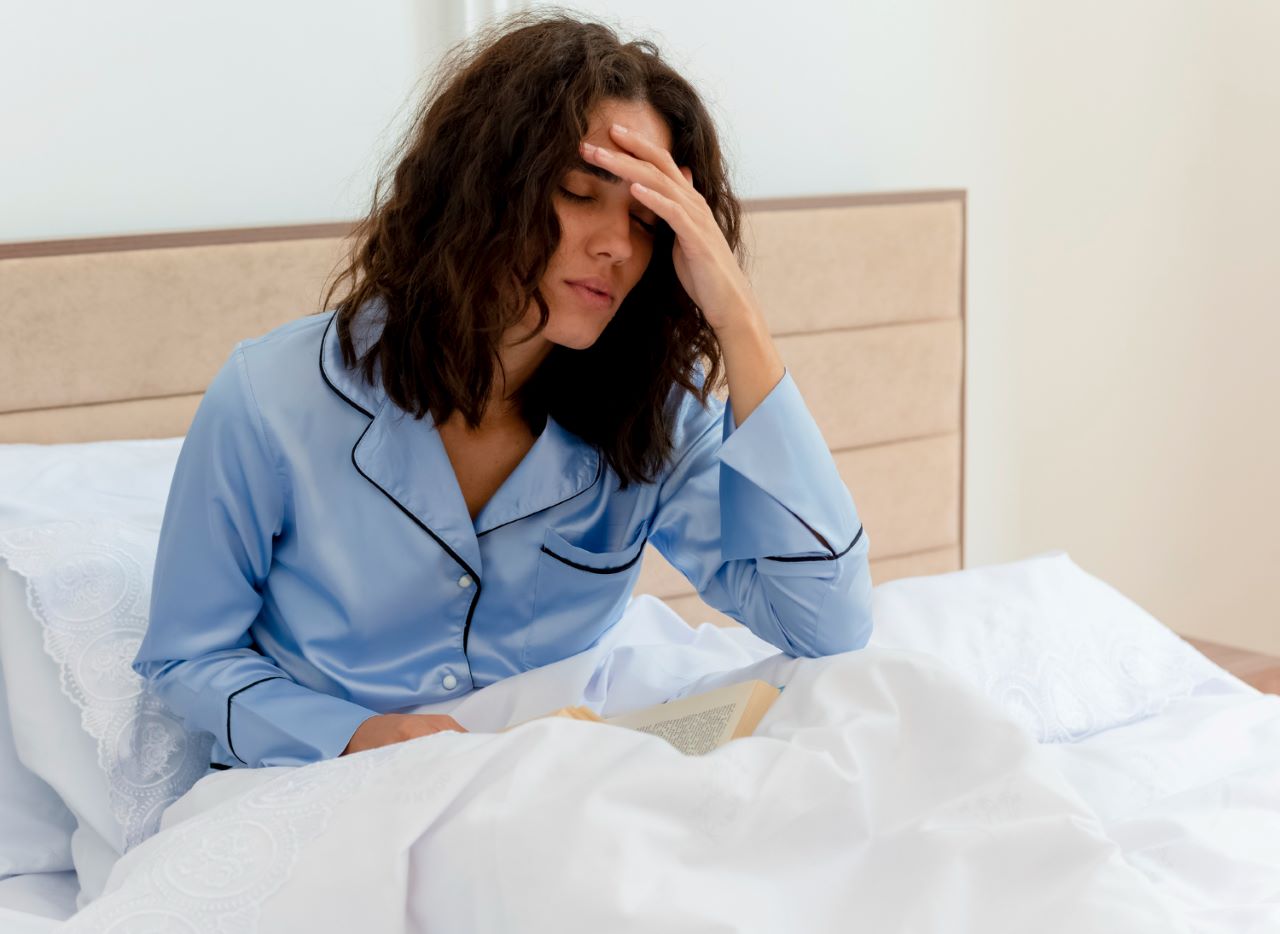
Hormonal changes can affect women differently and may influence sleep, mood, concentration, energy levels and overall wellbeing. Symptoms sometimes develop gradually, making them easy to dismiss as stress, ageing or lifestyle-related fatigue. Understanding how hormonal symptoms commonly present may help women recognise when ongoing changes are worth discussing with a GP.
Some hormonal symptoms appear suddenly, while others develop so gradually that they become part of everyday life before they are properly recognised. Changes in sleep quality, concentration, emotional wellbeing or energy levels are often explained away as stress, work pressure, ageing or simply being busy. Over time, however, these changes can begin affecting daily routines, relationships and overall quality of life.
Women discussing hormonal health online frequently describe feeling unlike themselves for extended periods before seeking medical advice. Many mention difficulty explaining symptoms clearly because the changes seem inconsistent or difficult to measure. Others describe uncertainty about whether symptoms are related to hormones at all.
This uncertainty is one reason hormonal concerns are often assessed over time rather than through a single symptom alone. Patterns involving sleep, mood, menstrual changes, fatigue and physical wellbeing may gradually build into a clearer clinical picture when discussed in context.
Hormonal Symptoms Do Not Always Present the Same Way
Hormonal changes can affect multiple body systems at once, which is why symptoms sometimes feel disconnected initially. A woman experiencing interrupted sleep may not immediately associate it with hormonal fluctuations. Another may notice mood changes first, while someone else becomes more aware of fatigue, headaches or difficulty concentrating.
Women commonly describe symptoms such as:
- Feeling unusually exhausted despite sleeping
- Waking frequently overnight
- Reduced concentration or “brain fog”
- Mood fluctuations
- Irritability
- Changes in menstrual patterns
- Increased anxiety or emotional sensitivity
- Hot flushes or night sweats
- Lower motivation or energy levels
Some symptoms fluctuate significantly from week to week, which can make them difficult to track or explain during appointments.
Why Symptoms Are Often Dismissed for Long Periods
Many women do not initially seek medical advice because hormonal symptoms can overlap with normal life stressors. Busy schedules, parenting responsibilities, work demands and interrupted sleep can all produce similar effects, making it difficult to know when changes fall outside expected day-to-day fatigue.
Online discussions frequently show women questioning themselves before booking appointments. Some worry they are overreacting, while others assume symptoms are simply part of ageing and something they should tolerate.
This delay can sometimes mean women spend extended periods managing symptoms independently before discussing them with a healthcare professional.
Women attending appointments through our women’s health Keysborough services often describe wanting clarity around why they no longer feel physically or emotionally like themselves, even when symptoms initially seemed difficult to define.
Sleep Changes Can Affect More Than Fatigue
Sleep disruption is one of the most commonly discussed hormonal concerns online, particularly among women experiencing perimenopause or ongoing hormonal fluctuations. Interrupted sleep does not simply cause tiredness the next day. Over time, poor sleep quality may affect concentration, emotional resilience, physical recovery and stress tolerance.
Some women describe:
- Falling asleep normally but waking repeatedly
- Feeling alert during the night despite exhaustion
- Waking earlier than usual without being able to return to sleep
- Experiencing night sweats or temperature changes overnight
- Feeling mentally foggy throughout the day
When sleep disturbance continues over long periods, women may begin noticing broader effects on motivation, work performance, relationships and emotional wellbeing.
For women experiencing ongoing emotional strain alongside hormonal symptoms, discussing available options for mental wellbeing support with a GP may also form part of broader care planning where appropriate.
Emotional Changes Can Feel Difficult to Explain
Mood-related hormonal symptoms are often challenging because they may not feel constant or predictable. Some women describe periods of irritability, emotional sensitivity or reduced stress tolerance that seem disproportionate to everyday situations. Others mention feeling emotionally flat, overwhelmed or unlike their usual selves.
These experiences can become frustrating when symptoms fluctuate or appear alongside work stress, parenting responsibilities or sleep disruption. Because emotional changes are not always visible externally, some women delay discussing them during appointments.
Hormonal symptoms affecting emotional wellbeing do not necessarily indicate a mental health condition on their own. However, when mood changes persist or begin interfering with daily functioning, medical assessment may help determine whether hormones, stress, sleep disruption or other health factors could be contributing.
Perimenopause Can Begin Earlier Than Expected
One recurring theme in online discussions is surprise around when hormonal changes can begin. Many women associate menopause with later life and do not initially consider hormonal fluctuations as a possible explanation for symptoms developing in their late 30s or 40s.
Perimenopause may involve gradual hormonal changes occurring before periods stop completely. During this stage, symptoms can fluctuate and may not follow a consistent pattern initially.
Women sometimes seek medical advice after noticing:
- Cycle irregularity
- Increased fatigue
- Sleep changes
- Hot flushes
- Mood shifts
- Changes in skin or hair
- Reduced concentration
- Unexpected changes in physical stamina
Because symptoms vary significantly between individuals, assessment often involves reviewing broader health history, symptom progression and any changes affecting day-to-day wellbeing.
Tracking Patterns Can Help Clarify Symptoms
Hormonal symptoms are sometimes easier to recognise when viewed as patterns rather than isolated events. Women who track symptoms over several weeks may begin noticing connections between sleep changes, menstrual irregularities, energy levels or emotional fluctuations.
This does not mean every hormonal symptom requires extensive monitoring at home, but paying attention to recurring changes may help support clearer conversations during appointments.
Women may choose to note:
- Timing of symptoms
- Menstrual changes
- Sleep quality
- Fatigue levels
- Mood fluctuations
- Physical symptoms such as headaches or hot flushes
This information may assist GPs when assessing whether symptoms warrant further investigation, monitoring or referral.
Hormonal Health Support Across Melbourne’s South East
Women often attend Parkmore Medical Centre from nearby areas including Dandenong, Braeside, Springvale, Clayton and Noble Park for ongoing women’s health support and GP care.
Some patients seek assessment after symptoms begin interfering with sleep or energy levels, while others attend because gradual changes have persisted longer than expected. Access to ongoing GP care close to home may help support continuity when symptoms require monitoring over time rather than a single consultation.
When Hormonal Symptoms May Warrant Medical Assessment
Hormonal fluctuations are common throughout different life stages, but persistent symptoms that interfere with daily wellbeing should not always be ignored or dismissed as something women simply need to “push through.”
Medical assessment may be appropriate when symptoms:
- Persist over time
- Affect work or daily activities
- Interfere with sleep regularly
- Cause ongoing emotional distress
- Involve significant menstrual changes
- Continue worsening gradually
- Affect concentration or physical wellbeing
Assessment does not always lead to a single diagnosis immediately. In some cases, symptoms require monitoring, investigations or follow-up appointments over time to better understand contributing factors and appropriate management options.
Frequently Asked Questions
Can hormonal symptoms happen even if periods are still regular?
Yes. Hormonal fluctuations can occur even when menstrual cycles appear relatively regular. Some women notice changes involving sleep, mood, energy levels or concentration before major cycle irregularities develop.
Why do hormonal symptoms sometimes feel inconsistent?
Hormonal changes may fluctuate over time, particularly during perimenopause. This can mean symptoms vary from week to week rather than remaining constant, making them harder to recognise initially.
Is it normal to feel exhausted all the time during hormonal changes?
Persistent fatigue should not automatically be assumed to be “normal.” Hormonal fluctuations can contribute to tiredness, but ongoing exhaustion may also involve sleep disruption, stress, nutritional factors or other medical conditions that may warrant assessment.
Written by the medical team at Parkmore Medical Centre.
Disclaimer: This article is intended for general educational purposes only and does not replace personalised medical advice. Hormonal symptoms and women’s health concerns can vary significantly between individuals. Always consult a qualified healthcare professional for assessment, diagnosis and appropriate management based on your personal circumstances.