
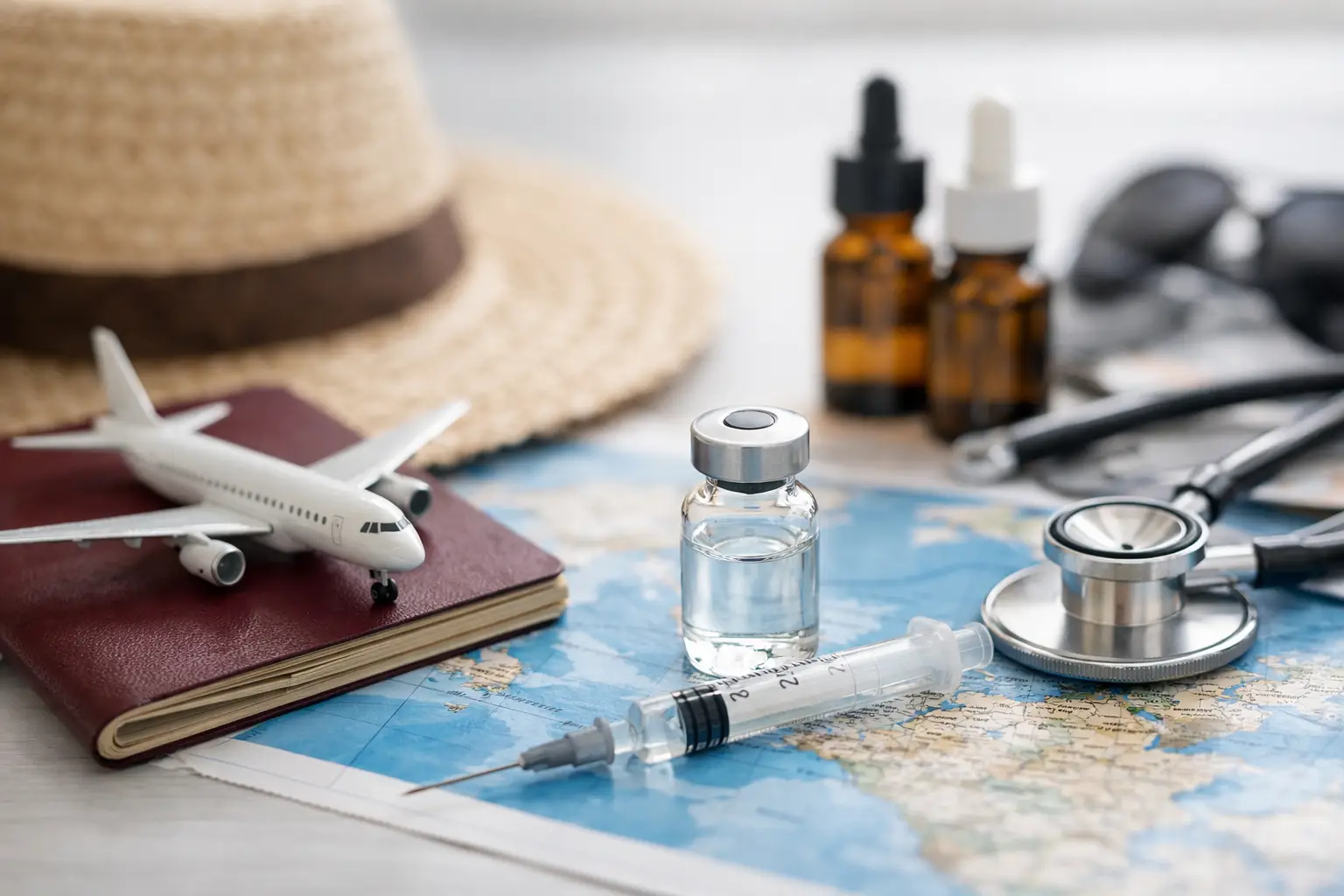
A last-minute holiday booking can be exciting until someone asks whether you have the right travel vaccinations. The vaccines needed before overseas travel are not the same for every person or every destination, and leaving it too late can mean fewer options, tighter timelines, and more stress before you fly.
Travel medicine is about more than ticking off a list. Your vaccination needs depend on where you are going, how long you will be away, the type of accommodation you will use, what activities you have planned, and your age and medical history. A city stopover in Singapore is very different from a multi-week trip through rural parts of South-East Asia, Africa, or South America.
How vaccines needed before overseas travel are decided
When a GP assesses travel vaccines, the decision is usually based on risk rather than a standard package. Destination matters, but so does season, access to medical care overseas, and whether you are travelling for leisure, work, study, or to visit friends and relatives. People visiting family overseas sometimes have higher exposure risks because they stay longer, eat local foods, and spend more time in community settings rather than tourist areas.
Your existing vaccination history also matters. Some travellers need booster doses of routine vaccines they have not thought about in years. Others may need destination-specific vaccines for the first time. If you are pregnant, immunocompromised, travelling with children, or managing a chronic condition, the advice may need to be tailored more carefully.
That is why a travel consult works best when it is personalised. It allows time to review your records, discuss your itinerary, and look at practical issues such as malaria prevention, food and water safety, and what to do if you become unwell while away.
Routine vaccines still matter when travelling overseas
Many people focus on the more exotic-sounding travel shots and forget the basics. In reality, routine vaccinations are often an important part of staying well overseas. Measles, influenza, COVID-19, tetanus, diphtheria, pertussis, and polio can still affect travellers, especially in areas where outbreaks occur or vaccine coverage is lower.
If your routine immunisations are not up to date, travel can increase your risk. Airports, cruise ships, large events, and long-haul flights all increase contact with other people. Even a short trip can expose you to infections that are less common in Australia.
For families travelling with children, checking childhood vaccination records before departure is especially important. For older adults, it can also be a useful time to review boosters and broader health risks that could affect travel plans.
Common vaccines needed before overseas travel
Some travel vaccines are recommended more often than others, but whether they apply to you depends on the details of your trip.
Hepatitis A is commonly considered for many destinations because it can spread through contaminated food and water. Even travellers staying in good accommodation can be exposed. Hepatitis B may be recommended if there is any chance of medical treatment overseas, close contact with local communities, or activities that increase blood or body fluid exposure.
Typhoid may be advised for travellers visiting higher-risk regions, especially if staying for longer periods or eating outside major tourist venues. Rabies vaccination is sometimes considered for extended travel, remote travel, or trips involving animals, including volunteer work and outdoor activities.
Yellow fever is different because in some countries it is not just recommended but required for entry. Proof of vaccination may be needed depending on where you are travelling from or transiting through. Japanese encephalitis may be relevant for some parts of Asia and the Western Pacific, particularly for longer trips, rural exposure, or travel during transmission seasons.
Meningococcal vaccination can also be relevant for certain destinations, group travel, or pilgrimage travel. Cholera vaccine is less commonly needed, but it may be considered in specific high-risk situations.
This is where general internet advice can fall short. Two travellers going to the same country may not need the same plan if one is staying at a resort for five days and the other is backpacking through regional areas for six weeks.
When to book your travel vaccination appointment
Ideally, book a travel health appointment six to eight weeks before departure. That gives enough time for vaccines that need more than one dose, vaccines that take time to become effective, and any follow-up questions about prescriptions or health precautions.
That said, if your trip is sooner, it is still worth booking. Some protection is better than none, and there may still be useful vaccines, boosters, or medication advice available even if you are leaving within days. Late preparation should not stop you from getting medical advice.
Booking early also gives you time to manage other practical health issues before you leave. If you take regular medication, need a health summary, or have a chronic condition that requires monitoring, those details are easier to organise without a rushed appointment right before departure.
It is not only about vaccines
A good travel consultation should also look at the broader health picture. Depending on your destination, you may need advice on malaria tablets, preventing mosquito bites, managing traveller’s diarrhoea, avoiding altitude illness, or what to pack in a travel health kit.
For some people, the biggest risks are not vaccine-preventable diseases. A person with asthma may need a plan for air travel and respiratory infections. Someone with diabetes may need advice around insulin timing, food access, and carrying supplies. Older travellers may need to think about mobility, deep vein thrombosis risk, and travel insurance exclusions related to existing conditions.
This broader planning can make a real difference, especially for families, seniors, and travellers with ongoing medical needs. It turns a simple vaccination visit into proper pre-travel healthcare.
Special considerations for children, pregnancy, and older travellers
Children often need extra planning because their routine vaccines may need review and not every travel vaccine suits every age group. Parents should also ask about insect bite prevention, food safety, hydration, and managing fever or gastro symptoms overseas.
Pregnancy adds another layer. Some vaccines are safe and recommended in pregnancy, while others are not suitable. The destination itself may also pose risks that need careful discussion, including mosquito-borne illnesses and access to medical care.
Older travellers may be more vulnerable to severe illness, even when they are otherwise fit and active. A travel consult is a good chance to review heart, lung, or mobility issues and make sure medications and vaccination history are current.
Why a travel GP appointment is worth it
Online checklists can be helpful, but they cannot fully assess your personal health risks. A GP can consider your age, medical conditions, medication use, allergy history, pregnancy status, and exact itinerary. That matters because travel recommendations are rarely one-size-fits-all.
There is also value in having your travel health advice connected to your regular care. If your GP clinic already knows your medical history, it can be easier to review records, update routine vaccines, and make sure nothing is missed. For local families and working adults, that kind of coordinated care is often simpler than trying to piece everything together across multiple providers.
At a community clinic such as Parkmore Medical Centre, travel health can sit alongside your general care rather than being treated as a separate issue. That is particularly helpful if you are organising family appointments, managing chronic conditions, or trying to fit healthcare around work and school schedules.
What to bring to your appointment
To get the most from your visit, bring your travel itinerary, any vaccination records you have, a list of regular medications, and details of any past vaccine reactions or allergies. If you are not sure about your records, bring whatever information you can. Even partial details are useful.
It also helps to mention stopovers and transit countries, not just your final destination. Entry requirements and disease exposure risks can change depending on where you pass through.
Travel health advice works best when there is enough time for questions. If you are unsure whether you need vaccines, ask anyway. A brief appointment now can prevent avoidable illness, treatment delays overseas, or problems at the border later.
Before you pack your bags, make room for one more item on the checklist – a proper travel health review. The right advice can help you leave with more confidence and enjoy the trip for the reasons you planned it.