
A health assessment is more useful when it reflects your real day-to-day health, not just how you feel during a short appointment. Knowing how to prepare for health assessment appointments can help your GP identify risks early, review your current needs and make a practical plan that suits your life.
You do not need to have every answer ready or worry about saying the “right” thing. A good assessment is a conversation. A little preparation simply gives your healthcare team a clearer picture of your medical history, medicines, lifestyle and any changes you have noticed.
What a health assessment may cover
Health assessments are preventive appointments that look beyond one immediate symptom. Depending on your age, medical history, eligibility and reason for attending, your GP or practice nurse may review your blood pressure, weight, medicines, vaccinations, mental wellbeing, mobility, sleep, diet and physical activity.
The appointment may also focus on screening and prevention. This could include discussing heart health, diabetes risk, cancer screening, falls prevention, bone health, smoking, alcohol use or support for a long-term condition. For older adults, Aboriginal and Torres Strait Islander patients, people living with disability, and patients with chronic health concerns, assessments can help coordinate ongoing care and services.
Not every assessment includes the same checks. Your clinician will tailor the discussion and any examinations to your individual circumstances. Some tests can be arranged on the day, while others may need a separate appointment or pathology collection.
How to prepare for a health assessment before you arrive
Start by thinking about what has changed since you last saw a doctor. Small details can be relevant: becoming more breathless on walks, waking frequently at night, feeling low, struggling with medication side effects or noticing a change in appetite. Write these down on your mobile or a piece of paper, especially if you are likely to forget them in the room.
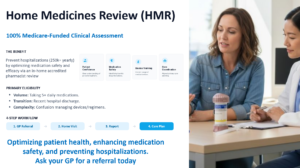
Bring an up-to-date list of all medicines you take. Include prescribed tablets, inhalers, creams, injections, vitamins, herbal products and medicines purchased from a pharmacy. If it is easier, bring the medicines themselves or take clear photos of the labels. Knowing the dose and how often you take each medicine helps your GP check for interactions, duplicates and treatments that may no longer be suitable.
It is also helpful to bring any recent letters, hospital discharge summaries, test results or reports from other health professionals that may not already be in your record. This may include information from a specialist, physiotherapist, psychologist, optometrist or dentist. Coordinated care works best when the people supporting you have the same accurate information.
If you use hearing aids, glasses, a walking aid or an interpreter, plan to have the support you need at the appointment. A family member, carer or trusted support person can attend with you if you would like help remembering information or raising concerns. Your clinician will still speak directly with you and protect your privacy.
Check whether you need to fast
Do not assume you need to fast for a health assessment. Most appointments do not require fasting, and it can be unsafe or uncomfortable for some people, particularly those managing diabetes or taking certain medicines. If blood tests are likely, ask the clinic beforehand whether fasting is needed and follow the specific instructions you are given.
Continue taking your regular medicines unless a doctor or pharmacist has advised otherwise. If you have been asked to fast, check how this affects your usual medication routine rather than making changes yourself.
Be ready to talk honestly about your health
Your GP is there to support you, not judge you. Honest answers about smoking, alcohol, diet, exercise, sleep, sexual health, stress or medication use allow your care to be safe and realistic. There is no benefit in understating a concern because it feels embarrassing, or overstating how well a treatment is working because you do not want to disappoint your doctor.
It can help to consider a few practical questions before your visit. Have you had any falls, near-falls or trouble with balance? Are you managing everyday tasks as easily as before? Have you felt persistently worried, low or overwhelmed? Are pain, fatigue or poor sleep affecting work, family life or social activities? These details often guide the next steps more effectively than a single number on a test result.
Mention any family history you know of, particularly heart disease, stroke, diabetes, cancer, osteoporosis or significant mental health conditions. Family history does not guarantee that you will develop a condition, but it can influence when screening or monitoring is recommended.
Make the most of the appointment
Allow enough time to arrive without rushing, particularly if you need to complete forms or use digital check-in. Wear clothing that makes it easy to check your blood pressure or be examined if needed. Comfortable shoes can also be useful if balance, mobility or foot health will be discussed.
At the start of the appointment, say what matters most to you. You might be mainly concerned about preventing illness, managing several medicines, staying independent as you get older or understanding why you have less energy. This helps your GP focus the assessment around your priorities rather than working through a generic checklist.
Ask questions whenever something is unclear. Useful questions include what a result means, whether a screening test is recommended, what changes would have the greatest impact on your health, and when you should return. If a new care plan, referral or test is suggested, ask what will happen next and how you will receive results.
A health assessment may identify several areas worth addressing. Trying to change everything at once can be discouraging. Your GP may recommend starting with one or two achievable actions, such as checking blood pressure regularly, updating vaccinations, increasing gentle movement or booking a follow-up for a separate concern. The right pace depends on your health, capacity and preferences.
What to expect after a health assessment
The value of an assessment often comes from the follow-up. Your GP may arrange blood tests, a review of medicines, vaccinations, screening, referrals to allied health professionals or a chronic disease management plan. If results need discussion, make sure you understand whether you need to book another appointment rather than assuming no news means everything is normal.
Keep a copy of your agreed next steps somewhere you can find it. If lifestyle changes are part of the plan, make them specific. “Walk more” can become a ten-minute walk after dinner on three days each week. “Eat better” may mean adding vegetables to your evening meal or speaking with a dietitian about a plan that works with your budget, culture and routine.
If you are caring for a parent, partner or child, remember that preparation can make appointments less stressful for them too. Help gather medicines and paperwork, but leave room for them to speak privately with their clinician if they choose. Health decisions are strongest when the patient feels heard and involved.
For patients in Keysborough and surrounding suburbs, Parkmore Medical Centre can support health assessments as part of ongoing general practice care. Booking a dedicated appointment gives you time to discuss prevention, current concerns and the care that may be needed next.
A health assessment is not a pass-or-fail test. It is a chance to pause, ask questions and make a plan for your health with people who know how to help. Bring what you can, speak openly, and let the appointment be the starting point for care that fits your life.