As of October 2026, the newly TGA-approved dengue fever vaccine, Qdenga, is officially available for Australian travellers. If you’re planning a trip to a tropical or subtropical destination like Indonesia, Thailand, Vietnam, or Fiji, here is what you need to know about protecting yourself before you fly.
The Rising Risk of Dengue Fever
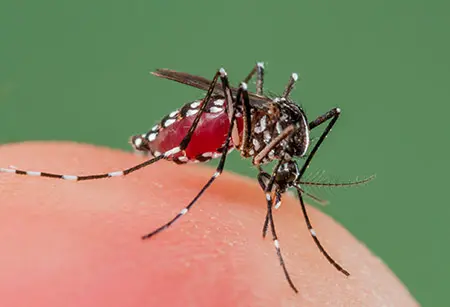
Dengue fever is the fastest-growing communicable disease globally, transmitted primarily by the Aedes mosquito. For most Australians, the risk isn’t at home—over 94% of dengue cases reported in Australia in the past year were acquired overseas.
While many primary infections are asymptomatic or mild, dengue can cause high fever, severe headache, pain behind the eyes, and severe muscle and joint pain. In a small percentage of cases, it can progress to severe disease requiring hospitalisation.
What is Qdenga?
Qdenga is a new tetravalent, live-attenuated vaccine that helps protect against all four serotypes of the dengue virus. It was approved by the Therapeutic Goods Administration (TGA) in April 2026 and recently received clinical use recommendations from the Australian Technical Advisory Group on Immunisation (ATAGI).
Key facts about the vaccine:
Who can get it: It is approved for adults, adolescents, and children from 4 years of age who are travelling to endemic areas, or who have previously had dengue fever.
The Schedule: It is given as a two-dose course, with a 3-month interval between the first and second dose. Protection is present from 14 days, but the full course provides long-lasting coverage.
Efficacy: Clinical trials have shown an 80% reduction in confirmed dengue fever cases and a significant reduction in hospitalisations up to 18 months after the second dose.
Side Effects: Common adverse events are generally mild and include injection site pain, headache, and muscle pain, which typically resolve within a few days.
Because it is a live vaccine, Qdenga is not suitable for everyone. It cannot be given to pregnant or breastfeeding women, or individuals with severe immune deficiencies.
Don’t Forget the Basics
While the vaccine is a major breakthrough, it does not replace standard mosquito bite prevention. You should still take appropriate precautions to reduce exposure by using a high-quality insect repellent, wearing protective clothing, and staying in accommodation with proper mosquito netting or screens.
Book Your Travel Consult Today
If you are heading overseas, it’s important to start your travel health planning early—especially given the 3-month gap required between the two Qdenga doses.
Suitability depends on your exact destination, the length of your stay, your medical history, and whether you’ve been exposed to dengue in the past.
Ready to get started? Book a consultation with our Travel Medicine Clinic at Parkmore Medical Centre today. Our experienced doctors will review your itinerary, discuss your dengue risk, and help ensure your immune system is prepared for your trip