
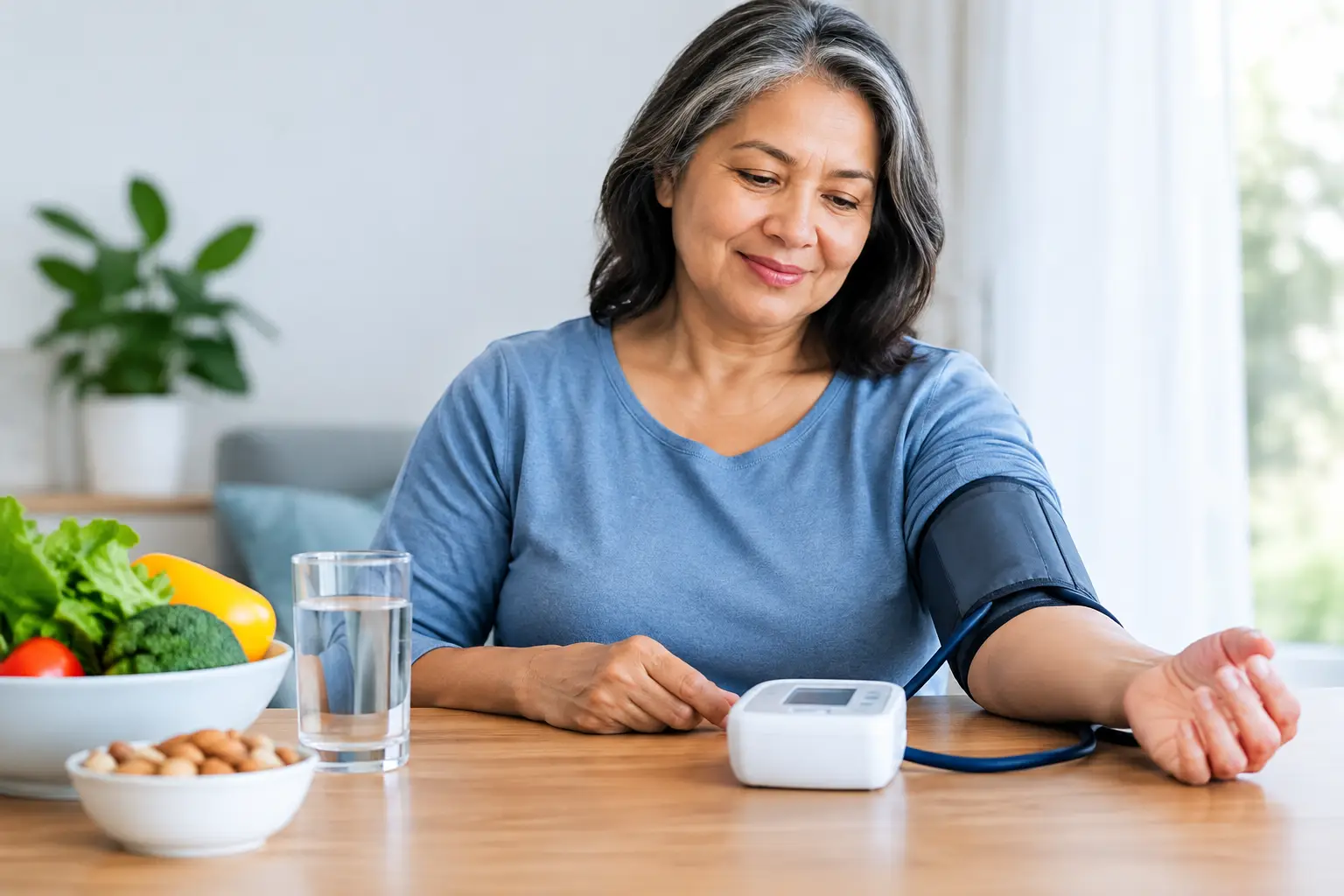
High blood pressure often causes no noticeable symptoms, which is why it can be easy to put off checking it or following up a high reading. Yet taking steady, practical steps to manage high blood pressure can significantly reduce strain on your heart, brain, kidneys and blood vessels over time.
A single high reading does not always mean you have hypertension. Stress, pain, caffeine, exercise and even rushing into an appointment can temporarily raise your blood pressure. What matters is a pattern of readings, considered alongside your health history, medicines and lifestyle. Your GP can help turn those numbers into a clear plan that fits your circumstances.
Understand your blood pressure readings
Blood pressure is recorded as two numbers. The first, or systolic pressure, measures pressure when your heart pumps. The second, or diastolic pressure, measures pressure when your heart relaxes between beats. For example, a reading of 130/80 is read as “130 over 80”.
Your ideal target is personal. It can vary depending on your age, pregnancy, diabetes, kidney disease, heart disease and other health factors. This is why it is best not to compare your reading with a friend’s or make changes to treatment based on one result.
Your GP may recommend home monitoring, particularly if your clinic readings are borderline, vary widely or appear higher because you feel anxious at appointments. Home readings can provide a more complete picture of what is happening during everyday life.
Check your blood pressure accurately at home
If you monitor at home, use a validated upper-arm machine with a cuff that fits correctly. Wrist monitors can be less reliable for many people. Sit quietly for five minutes before checking, with your back supported, feet flat on the floor and arm resting at heart level.
Avoid smoking, caffeine and exercise for 30 minutes beforehand where possible. Take two readings about one minute apart, then record both results with the date and time. Your GP may ask you to measure at specific times over several days. Bring your machine and your recorded readings to appointments so technique and results can be reviewed together.
Do not panic over an unexpected high number. Rest, repeat the measurement as advised and seek medical advice if readings remain high. If you have a very high reading along with chest pain, severe headache, shortness of breath, weakness, confusion, changes to vision or difficulty speaking, call 000 immediately.
Everyday ways to manage high blood pressure
Lifestyle changes are not a replacement for prescribed medicine when medicine is needed. They are, however, a valuable part of treatment and can improve blood pressure, energy levels and overall cardiovascular health. Small changes that you can maintain are generally more useful than an overly strict plan that lasts two weeks.
Review the salt in your routine
Most Australians eat more salt than they realise, often from packaged and takeaway foods rather than the salt shaker. Bread, breakfast cereals, processed meats, sauces, instant meals, savoury snacks and restaurant meals can all contribute.
Aim to prepare more meals at home when you can and check food labels for lower-salt options. Flavour food with herbs, garlic, lemon, chilli, ginger or spices instead of adding extra salt. You do not need to eliminate all enjoyable foods, but regular swaps can make a meaningful difference. If you have kidney disease or take particular medicines, ask your GP before using potassium-based salt substitutes.
Build meals around whole foods
A heart-friendly eating pattern includes plenty of vegetables, fruit, wholegrains, legumes, nuts and lean protein such as fish, eggs, poultry or tofu. Choose lower-fat dairy options if suitable for you, and limit highly processed foods, sugary drinks and foods high in saturated fat.
There is no single perfect diet for everyone. Cultural foods, family routines, budget and shift work all matter. A realistic starting point might be adding vegetables to your evening meal, packing a healthier lunch for work or choosing water more often than soft drink. If weight is affecting your blood pressure, gradual weight loss with clinical support can help, but it should never rely on extreme dieting.
Move regularly in a way that suits you
Regular physical activity helps the heart work more efficiently and can lower blood pressure over time. Brisk walking, cycling, swimming, dancing, gardening and strength exercises can all be useful. The best activity is one you are likely to continue.
If you are inactive, start gently. A ten-minute walk after dinner is a worthwhile beginning. Build towards regular activity across the week, and include muscle-strengthening exercise where appropriate. Speak with your GP before starting a new exercise program if you have chest pain, significant shortness of breath, heart disease, dizziness or other medical concerns.
Reduce alcohol and stop smoking
Alcohol can raise blood pressure, especially when consumed frequently or in larger amounts. Reducing the number of drinks and having alcohol-free days can support healthier readings. Your GP can provide non-judgemental advice if cutting back feels difficult.
Smoking damages blood vessels and substantially increases the risk of heart attack and stroke. Quitting is one of the strongest steps you can take for your health at any age. Nicotine replacement and prescription treatments may improve your chances of stopping successfully, especially when paired with ongoing support.
Protect sleep and manage stress
Poor sleep, long-term stress and untreated sleep apnoea can all affect blood pressure. Snoring, waking unrefreshed, morning headaches or excessive daytime tiredness are worth discussing with your GP, particularly if you also have high blood pressure.
Stress cannot always be removed, particularly when work, caring responsibilities or finances are demanding. It can still help to build a few reliable pauses into the day: a walk, slow breathing, time outdoors, speaking with someone you trust or limiting work notifications after hours. These strategies are not a cure on their own, but they can support the other parts of your care plan.
Take blood pressure medicine as prescribed
Many people need medication as well as lifestyle changes. This is not a failure or a sign that you have done something wrong. Blood pressure medicines work in different ways, and finding the right medicine or combination can take time.
Take your medicine at the same time each day and keep enough supply so you do not run out. If you notice side effects such as dizziness, swollen ankles, a persistent cough or fatigue, do not simply stop the medication. Contact your GP or pharmacist. A dose adjustment or alternative medicine may be appropriate, but stopping suddenly can allow blood pressure to rise again.
Tell your GP about all medicines, vitamins and supplements you use. Some common products, including anti-inflammatory pain medicines, decongestants and certain herbal supplements, may increase blood pressure or interact with treatment. This is especially important before starting a new medicine bought over the counter.
Keep regular reviews with your GP
High blood pressure is best managed as ongoing care, not a one-off appointment. Regular reviews allow your GP to check readings, assess whether treatment is working and look for factors that may be contributing. Depending on your needs, this may include blood tests, kidney checks, cholesterol testing, diabetes screening or heart assessments.
At Parkmore Medical Centre, your GP can coordinate blood pressure care with nursing support, health assessments and other relevant services, helping keep your care plan practical and connected. Bring your home readings, a current medicine list and any questions to your appointment. This makes it easier to make decisions together.
Pregnant women with high blood pressure, or symptoms such as severe headache, visual changes, upper abdominal pain or sudden swelling, should seek urgent medical advice. Blood pressure in pregnancy needs prompt assessment and should not be managed with general advice alone.
When to book an appointment
Book a GP appointment if you have repeated high readings, have been told your blood pressure is elevated, have stopped taking medication, or have a family history of heart disease or stroke. It is also sensible to arrange a check if you have diabetes, kidney disease, sleep apnoea or are planning pregnancy.
Managing blood pressure is rarely about one dramatic change. It is the quiet consistency of checking, attending reviews, taking treatment and choosing the next manageable healthy step that protects your health for the years ahead.