
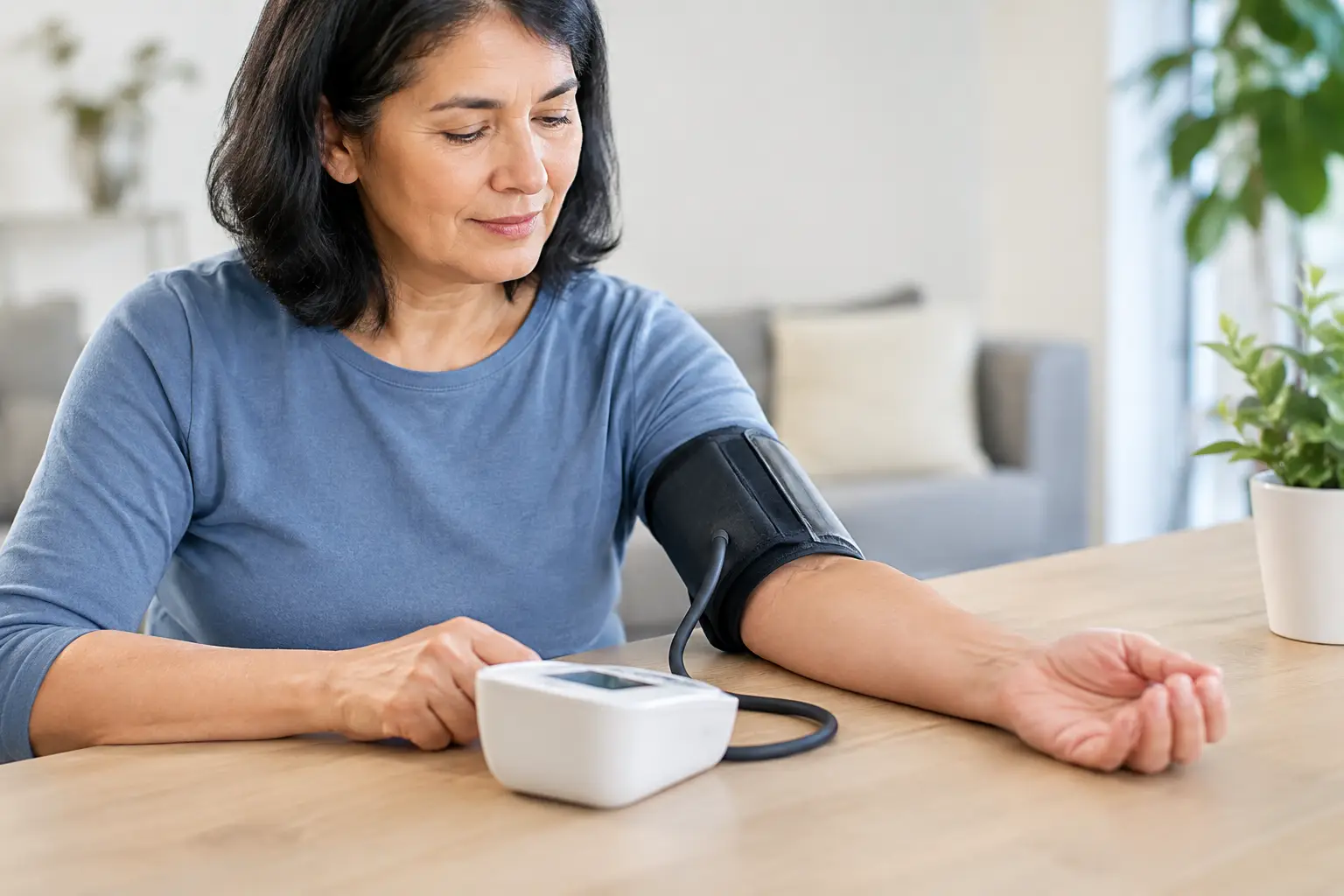
A blood pressure reading taken after rushing from the car park, drinking a strong coffee or dealing with a stressful phone call may not reflect your usual level. Knowing how to monitor blood pressure properly at home helps create a more reliable picture for you and your GP, particularly if you have high blood pressure, diabetes, kidney disease, heart disease, are pregnant, or have a family history of cardiovascular illness.
Home monitoring does not replace regular medical care, but it can be a practical part of looking after your long-term health. Consistent readings can help your GP assess whether treatment is working, whether lifestyle changes are making a difference, or whether further investigation is needed.
Choose a monitor you can rely on
For most adults, an automatic upper-arm blood pressure monitor is the best option for home use. Wrist and finger monitors can be less accurate because their position is harder to keep consistent. Choose a device that has been clinically validated for accuracy, and make sure it is suitable for your arm size.
The cuff matters as much as the monitor. A cuff that is too small can give readings that are falsely high, while one that is too large may give readings that are lower than they should be. Measure around the middle of your upper arm if you are unsure, then check the sizing guide supplied with the monitor.
If you have an irregular heartbeat, such as atrial fibrillation, ask your GP or pharmacist which device is appropriate. Some monitors may flag an irregular rhythm, but that feature does not diagnose a heart condition.
It is also worth taking your monitor to a GP appointment occasionally. Your clinician can compare it with the clinic equipment, check the cuff fit and make sure you are using it correctly.
How to monitor blood pressure accurately
Good technique is what turns a number on a screen into useful health information. Aim to measure your blood pressure at roughly the same times each day, unless your GP has given you a different plan.
For 30 minutes beforehand, avoid smoking, vaping, exercise, caffeine and alcohol. Empty your bladder before you begin. These everyday factors can temporarily raise blood pressure and make the result harder to interpret.
Sit quietly for at least five minutes in a chair with your back supported. Keep both feet flat on the floor and uncross your legs. Rest your bare arm on a table so the cuff is level with your heart. Do not place the cuff over clothing, and avoid talking, scrolling on your mobile or watching something stressful while the monitor is running.
Place the cuff snugly on your upper arm, following the instructions for your specific device. Take two readings about one minute apart and record both. If there is a large difference between them, take a third reading and record that too.
For many people who are checking blood pressure over several days, a GP may suggest readings in the morning before medication and breakfast, and again in the evening before dinner. A common approach is to monitor for seven days, but the right schedule depends on why you are checking. Follow the plan provided by your GP, especially if you are changing medication, pregnant or managing a chronic condition.
Record the details that give your readings meaning
Blood pressure has two numbers. The top number, systolic pressure, is the pressure when the heart pumps. The bottom number, diastolic pressure, is the pressure when the heart relaxes between beats. A reading of 120/80 mmHg is said as “120 over 80”.
Write down the date, time, both numbers and your pulse rate if the monitor provides it. A paper diary, the monitor’s app or a note on your mobile can all work well, provided the record is easy to show your GP.
Include relevant context where possible. For example, note whether you had missed medication, felt unwell, had pain, were under unusual stress, or had recently started a new medicine. Some medicines, including anti-inflammatory pain relief, decongestants and certain supplements, can affect blood pressure.
A single reading is rarely the whole story. Blood pressure naturally changes through the day and can be affected by sleep, activity, illness and emotions. Your GP will generally look for patterns across several readings rather than making decisions based on one unexpectedly high or low result.
What is a normal blood pressure reading?
Targets vary from person to person. Age, pregnancy, medical conditions, medications and overall cardiovascular risk all influence what is appropriate. As a general guide, home blood pressure readings are often considered elevated when the average is 135/85 mmHg or higher. Your GP may set a different target if you have diabetes, kidney disease or established heart disease.
Do not stop, start or change blood pressure medication based solely on home readings unless your clinician has specifically told you to do so. Taking medication at a different time, doubling a dose or skipping tablets can create avoidable risks.
Low blood pressure can also need attention, particularly if it comes with dizziness, fainting, blurred vision, weakness or falls. This is especially relevant for older adults and anyone taking several medicines. Keep a record of symptoms alongside your readings and discuss them with your GP.
When to seek medical advice promptly
If you record a blood pressure reading of 180/120 mmHg or higher, sit quietly and repeat the measurement after a few minutes to check it has been taken correctly. If it remains this high, seek urgent medical advice, even if you feel well.
Call 000 immediately if a very high reading is accompanied by chest pain, shortness of breath, severe headache, confusion, fainting, weakness or numbness on one side of the body, trouble speaking, or changes to vision. These symptoms can indicate a medical emergency.
Pregnancy needs particular care. Contact your maternity care provider or seek urgent assessment if you are pregnant and have a high reading, severe headache, visual disturbance, pain under the ribs, sudden swelling of the face or hands, or feel generally unwell. Do not wait for your next routine appointment.
Make home monitoring part of your care plan
Home monitoring works best when it is connected to ongoing care rather than becoming another source of worry. Bring your record and monitor to appointments, and let your GP know if readings are consistently outside your agreed range. They may review your medication, arrange blood tests, discuss sleep, stress, diet and activity, or organise further assessment.
For families in Keysborough and surrounding suburbs, a regular GP can help turn a page of numbers into a clear plan that suits your health history and daily routine. Parkmore Medical Centre can support blood pressure checks as part of general health care and chronic disease management.
The goal is not to chase a perfect number every day. It is to build a calm, consistent record that helps you and your healthcare team make decisions with confidence.