A beach holiday in Bali, a family visit overseas or a work trip with several stopovers can all bring different health considerations. This travel health consultation guide explains how a pre-travel appointment can help you prepare for your destination, protect your health and avoid last-minute decisions at the airport.
A travel consultation is not simply a vaccination appointment. It is a chance to consider where you are going, how long you will be away, the activities you have planned, your current health and the medicines you use. The right advice for a short city break may be quite different from the advice needed for trekking, visiting regional areas, travelling while pregnant or taking young children abroad.
When to book a travel health consultation
Book your appointment as early as possible, ideally six to eight weeks before departure. Some travel vaccines require more than one dose or need time to provide the best protection. An earlier appointment also gives your GP time to review your medical history, organise prescriptions and discuss any health issues that may affect your plans.
That said, a late booking is still worthwhile. Even if you are leaving within days, you may benefit from destination-specific advice, selected vaccinations, medication planning and practical guidance on food, water, insect bites and sun exposure.
For families, consider booking everyone travelling together. Children, older adults and people with existing conditions may need different recommendations, even when they are visiting the same place.
What to bring to your appointment
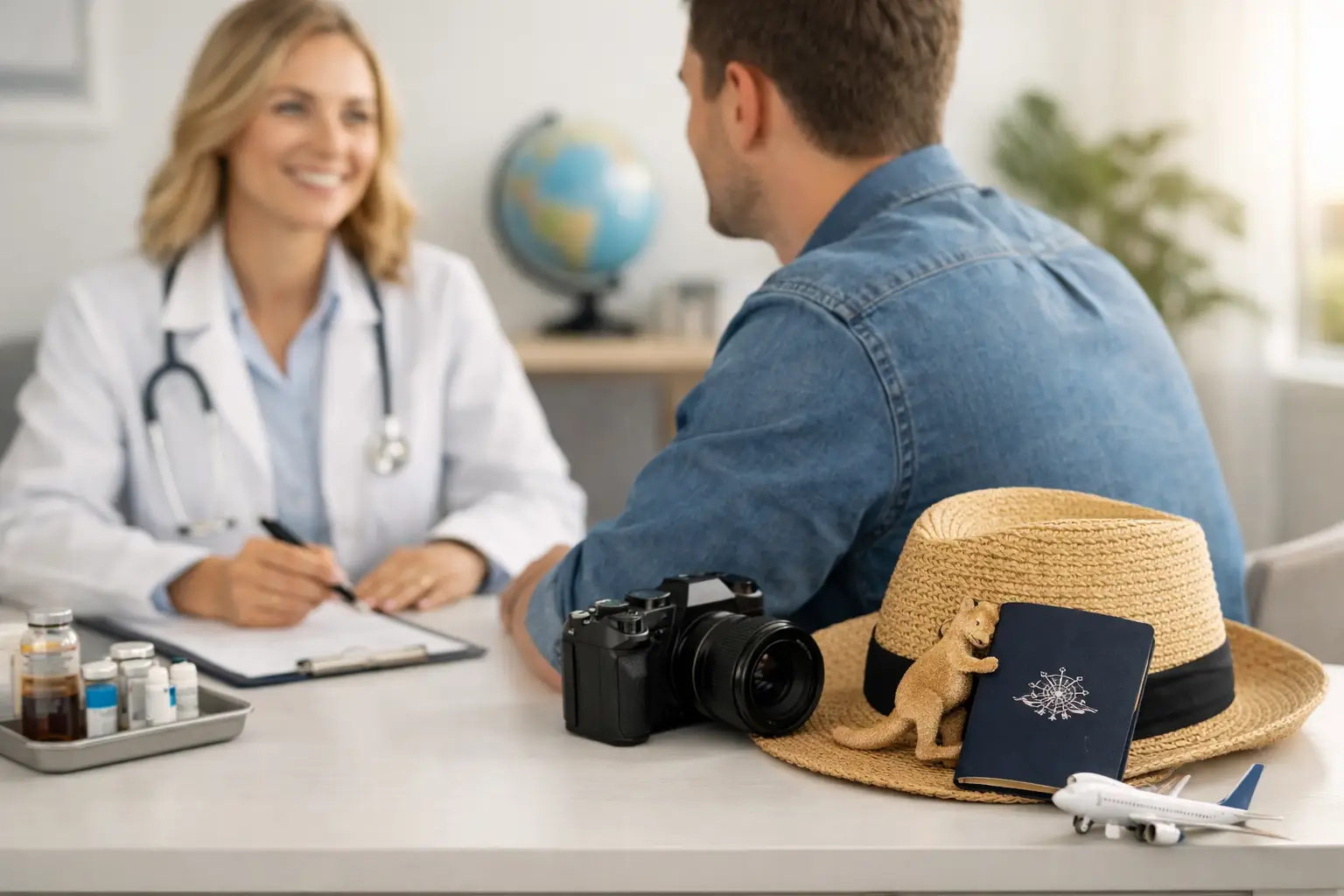
A little preparation helps make the consultation more useful. Bring your itinerary, including countries, stopovers and any regional or rural destinations. Let your clinician know your departure date, expected length of stay, accommodation plans and planned activities such as hiking, cruising, visiting relatives, working outdoors or volunteering.
You should also bring a list of all medicines and supplements you take, including doses. This includes inhalers, insulin, blood pressure medication, contraception and medicines bought without a prescription. If you have an immunisation record, bring it along. If you do not have one, your GP can still discuss what may be required.
Be open about your health history. Conditions such as diabetes, heart disease, asthma, kidney disease, weakened immunity and mental health concerns can affect travel planning. Pregnancy, recent surgery and significant allergies should also be discussed. These details allow advice to be tailored safely rather than based only on a destination checklist.
What happens during a travel health consultation?
Your GP will usually start by asking about your trip and your health. They may review routine Australian vaccinations as well as vaccines recommended or required for your destination. Depending on your plans, this can include protection against illnesses such as hepatitis A, typhoid, influenza, measles or yellow fever.
Recommendations depend on the country, regions within that country, the season, length of travel and your individual risk. For example, staying in a major hotel in one city does not carry the same considerations as spending weeks in remote areas. Visiting friends and relatives can also involve different exposures from a resort holiday.
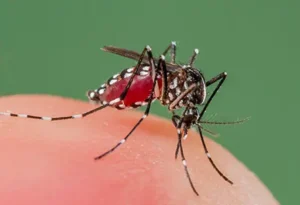
Your clinician may discuss malaria prevention where relevant. This can include ways to avoid mosquito bites and whether preventive medication is appropriate. Not every traveller needs the same medicine, and the best option depends on the destination, medical history and other medications.
The appointment is also a good time to discuss traveller’s diarrhoea, motion sickness, altitude illness, jet lag, deep vein thrombosis risk on long flights and managing chronic conditions away from home. Your GP can explain which concerns need medical review before you leave and what symptoms should prompt urgent care while travelling.
Vaccinations: plan for more than your destination
Travel vaccines matter, but routine immunisations deserve attention too. Overseas outbreaks can expose travellers to diseases that are uncommon in Australia. Checking that standard vaccines are up to date can be an important part of protecting both you and the people you return home to.
Some countries require proof of particular vaccinations for entry, particularly when arriving from certain regions. Requirements can change, so do not rely on an old forum post or a friend’s previous experience. Ask for advice based on your current itinerary and travel dates.
Vaccines are generally recommended according to risk, not as a one-size-fits-all package. Your clinician can help you weigh the likely benefit, timing, possible side effects and cost, then make a decision that suits your circumstances.
Managing prescription medicines overseas
Running out of a regular medicine while abroad can turn a routine trip into a stressful one. Before leaving, ask whether you have enough supply for the full journey, plus a small buffer for delays. Some medicines need special storage, while others may be restricted or require supporting documentation in your destination.
Keep essential medicines in your carry-on luggage in their original labelled packaging. It is sensible to carry a current medication list and a letter outlining your medical condition or prescribed medicines when needed. Do not assume a medicine that is common in Australia is legal or readily available overseas.
If you use devices such as insulin pens, CPAP equipment or injectable medication, discuss how to manage travel, storage and airport screening. A clear plan can prevent avoidable disruption on the day you fly.
Practical ways to reduce travel health risks
Many travel illnesses are preventable through everyday habits. Safe food and water choices matter in places where standards differ from those at home. Hand hygiene, bottled or treated water where advised, thoroughly cooked food and caution with ice or raw foods can reduce the chance of gastrointestinal illness.
In areas with mosquito-borne disease, use an effective insect repellent, cover up when practical and consider treated clothing or bed nets if recommended. Protecting yourself from bites is useful even when preventive medication is prescribed.
Long flights and road journeys can also be physically demanding. Move regularly where possible, stay hydrated and discuss your individual clot risk if you have had a previous blood clot, major surgery, cancer, pregnancy or other relevant health factors. Sunburn and heat illness can develop quickly, particularly for children and older travellers, so plan shade, fluids and sun protection from the first day.
Travel insurance is another practical part of health preparation. Choose cover that reflects your destination, planned activities and medical history. Read the policy carefully, especially any exclusions relating to pre-existing conditions, cruises, adventure activities or remote travel.
Travelling with children, older adults or chronic conditions
A consultation is particularly valuable when travel involves people with additional health needs. Children may need vaccine timing checked, age-appropriate medication advice and a plan for fever, dehydration or common minor illnesses. Parents should also know when to seek medical care rather than trying to manage symptoms alone.
For older travellers, mobility, falls risk, medication schedules and access to care may need consideration. A direct flight may be more expensive but may also be the better option for someone who finds long transits physically difficult. The best plan balances health needs with the type of holiday you want.
If you live with a chronic condition, travelling is often very achievable with preparation. Arrange enough medication, carry relevant documents, keep key items accessible and understand how changes in climate, time zones, diet or activity could affect your condition. Your regular GP can help coordinate this advice with your broader care plan.
Book early and travel with confidence
A well-timed travel health consultation can replace uncertainty with a practical plan for your trip. At Parkmore Medical Centre, travellers can discuss vaccinations, preventive medicines and individual health needs with a GP before they leave Australia. Book ahead where possible, bring your itinerary and give yourself time to act on the advice you receive.
The goal is not to make travel feel complicated. It is to leave home knowing you have taken sensible steps to protect your health, manage your medicines and enjoy the experiences you have planned.