
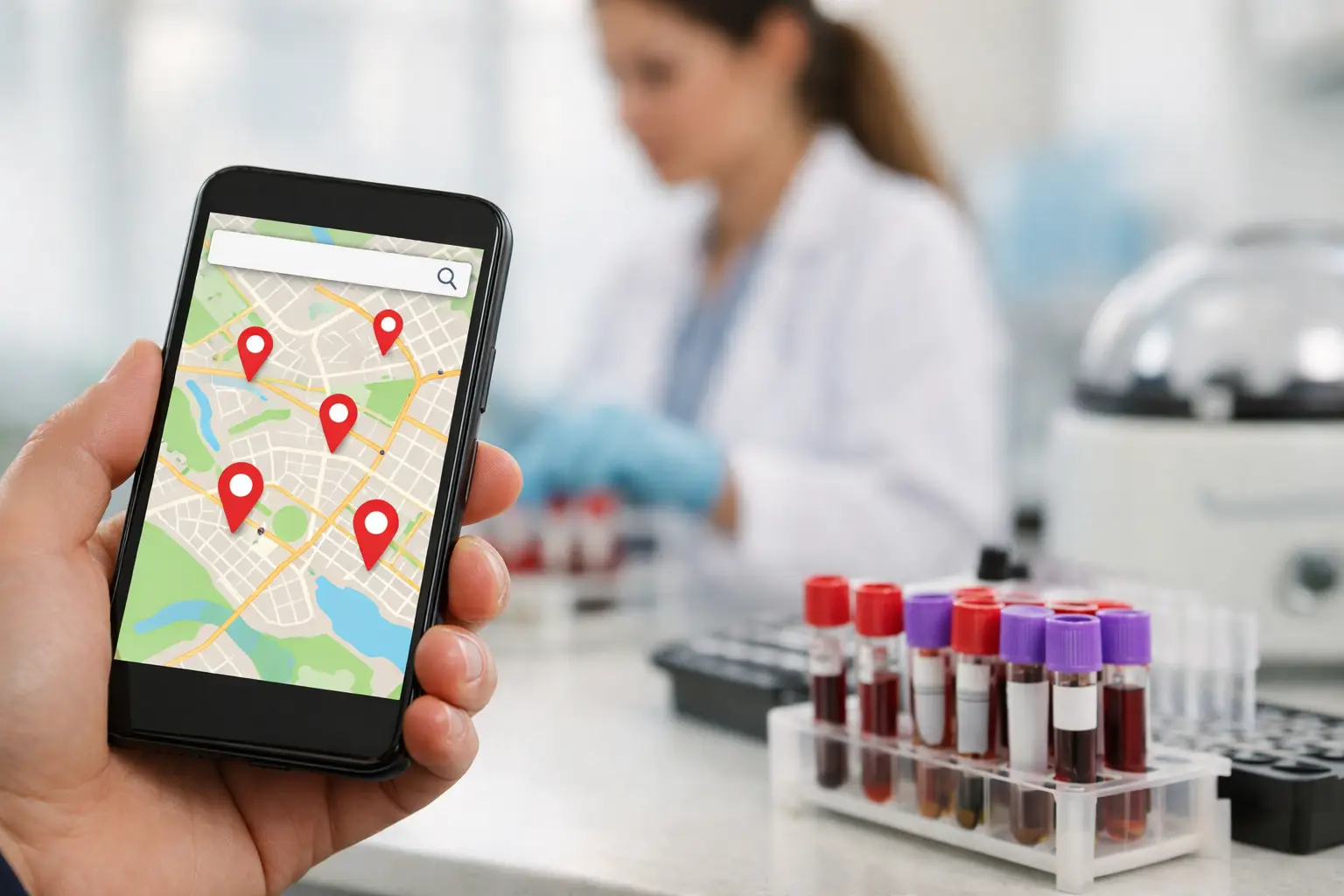
When your GP says you need a blood test, swab, urine test or another sample collected, the next question is usually practical rather than medical – where can I find pathology collection near me without turning it into a half-day job? For most people, convenience matters because testing is often just one part of a busy week, and the easier it is to get done, the less likely it is to be delayed.
Pathology collection is the step where your sample is taken and prepared to be sent for analysis. It sounds simple, but the right collection point can make a real difference to how smoothly the process goes. Location, opening hours, parking, wait times, and whether the service sits alongside your regular healthcare all affect the experience.
What pathology collection actually means
Pathology collection is not the same as receiving your results or discussing what they mean. It is the stage where a trained collector takes the required sample, which may include blood, urine, stool, swabs or other specimens requested by your doctor. The sample is then sent to a laboratory for testing.
For patients, this matters because collection is where preparation instructions need to be followed correctly. If you have been asked to fast, collect a first morning urine sample, or attend at a certain time of day, those details affect the accuracy of the result. A nearby collection service is useful, but it also needs to be one that can support the type of test you have been referred for.
Searching for pathology collection near me – what to look for
The closest option is not always the best one. In many cases, the most helpful collection service is the one that fits around your day and works well with your GP care.
Start with the basics. Check whether the collection centre accepts walk-ins or if there are set collection hours for certain tests. Some tests can be done at almost any time, while others have stricter timing requirements. If you are fitting the appointment around school drop-off, work, or caring responsibilities, those details matter.
It is also worth checking whether the location is easy to access. Parking, ground-floor entry, disability access, nearby public transport, and shorter waiting times all make a difference, especially for older patients, parents with young children, or anyone not feeling well.
A connected healthcare setting can be particularly useful. If your GP consultation and pathology collection happen in the same care environment, there is usually less confusion about referrals, fewer extra trips, and a more straightforward path back to your doctor once results are ready.
Why local collection points make follow-up easier
A pathology test is rarely the whole story. It is usually part of a broader health assessment, a medication review, a chronic disease check, a pregnancy-related test, an iron study, or an investigation into new symptoms.
That is why local access matters. If your collection point is near your regular clinic, follow-up tends to be easier to organise. Your GP can review the results in context, explain what is normal and what is not, and decide whether anything else needs attention. This is especially helpful when care is ongoing rather than one-off.
For example, someone managing diabetes, high cholesterol, thyroid concerns or iron deficiency may need repeat tests over time. In that situation, pathology collection is not just about a single visit. It becomes part of regular monitoring, and convenience becomes more important with every repeat test.
When convenience matters most
There are times when having pathology collection close by is more than just helpful. It can remove a barrier that might otherwise delay care.
Parents often need efficient options when a child has a referral and the day is already packed. Working adults may be trying to get testing done before work, in a lunch break, or after another appointment. Seniors may prefer a familiar healthcare setting with simpler access and less walking. Patients with chronic conditions may need repeat blood tests often enough that travel time starts to matter.
Even for people who are generally well, nearby pathology can make routine preventive care more manageable. Health assessments, medication checks and screening tests are much easier to complete when the collection step fits naturally into the day.
How referrals and billing usually work
Most pathology tests require a referral from your GP or another treating practitioner. The referral form tells the collector which tests are needed and provides the information required by the laboratory.
If you are unsure whether you need to book, whether you should fast, or whether you need to bring anything other than your referral, it is sensible to check before you attend. A few minutes of planning can save a return trip.
Billing can vary depending on the test, the referral and the provider. Many routine pathology services are covered under Medicare when they are clinically indicated and requested appropriately, but not every test falls into the same category. If cost is a concern, ask the clinic or collection provider what to expect before your appointment. Clear answers matter, especially for families and patients managing healthcare costs closely.
Questions worth asking before you attend
If you are comparing options for pathology collection near me, a few simple questions can help you choose well. Ask whether they collect the specific test you need, whether fasting is required, what the busiest times are, and whether children or patients with mobility needs can be accommodated comfortably.
If you are prone to feeling faint during blood tests, mention that as well. A good collection service will be used to this and can make the process safer and more comfortable. Small practical details often shape the whole experience.
Pathology collection in a coordinated care setting
For many patients, the biggest advantage of a local collection point is coordination. If your GP, nursing support, allied health services and diagnostic pathways sit within one familiar setting, your care tends to feel less fragmented.
That does not mean every test or every health issue can be handled in exactly the same way. Sometimes specialist input is needed. Sometimes the laboratory process takes longer than expected. Sometimes your GP may request repeat testing because one result needs clarification. Good healthcare is not always instant, but it should still feel organised and supported.
This is where an established local clinic can add value. At Parkmore Medical Centre, patients benefit from a connected care environment where general practice sits alongside broader health services and nearby diagnostic support. For people who want practical, ongoing healthcare rather than one-off appointments in different places, that model can make testing and follow-up feel much simpler.
Choosing a pathology collection service that suits you
The right choice depends on your needs. If you only need a single routine blood test, the nearest available provider may be perfectly suitable. If you are managing a longer-term condition, caring for family members, or attending the clinic regularly, a collection point linked to your usual care can be more helpful over time.
Think about what matters most for your situation. It may be shorter wait times, easier parking, familiarity with the clinic, availability during extended hours, or confidence that your results will flow back smoothly to your doctor. None of those factors are trivial. They are often the reason patients actually complete the tests they have been asked to do.
A practical approach to your next test
If you have been given a referral and are searching for pathology collection near me, keep the process simple. Check the location, confirm any preparation instructions, bring your referral, and choose a service that is easy to reach and fits around your routine.
Good pathology access should support your healthcare, not complicate it. When testing is nearby, clearly organised and connected to your GP care, it becomes much easier to stay on top of the health checks that matter.