
A beach holiday in Bali, a family visit overseas or a work trip through several countries can all involve different health considerations. Knowing how to get travel vaccine advice before you leave gives you time to make informed choices, arrange any recommended vaccinations and travel with greater confidence.
Travel health advice is not one-size-fits-all. The right recommendations depend on where you are going, how long you will be away, the season, the activities you have planned and your personal health history. A consultation with a GP is the most reliable place to start, particularly when you need advice that considers your existing medications, immunisations and medical conditions.
Book travel vaccine advice as early as possible
Ideally, arrange a travel health appointment six to eight weeks before departure. Some vaccines need more than one dose, while others take time to provide their best protection. Booking early also allows time to discuss routine vaccinations that may need updating, such as tetanus, measles, mumps and rubella, influenza or COVID-19.
That said, it is still worth seeking advice if your trip is only days or weeks away. There may be vaccines, medicines or practical precautions that can still be helpful. Your GP can explain what is realistic within your timeframe and help you prioritise the most relevant protections.
If you are travelling with children, are pregnant, are over 65, or have a condition affecting your immune system, early planning is especially valuable. These situations can change which vaccines are suitable and may require a more individual approach.
How to get travel vaccine advice that suits your trip
Start by booking a dedicated appointment and let the clinic know it is for travel health advice. This helps allow enough time to review your plans properly rather than trying to cover a complex itinerary during a short appointment for an unrelated concern.
Bring as much detail as you can. Your GP does not need every restaurant booking, but a clear outline of your trip supports better advice. Include the countries and regions you will visit, travel dates, how long you will stay in each place and whether you will be in cities, regional areas or remote locations.
The purpose of travel also matters. A resort holiday, a trekking trip, visiting friends and relatives, overseas work and extended backpacking can carry different exposures. Activities such as camping, riding motorbikes, handling animals, working in healthcare settings or spending significant time outdoors may affect the recommendations you receive.
Your clinician will also ask about previous vaccinations and health history. If you have an immunisation record, bring it along. If you cannot find it, do not delay your appointment – your GP can discuss the information available and the next steps.
What happens during a travel health consultation?
A good travel consultation considers far more than a list of vaccines. Your GP will assess the health risks connected with your destination and discuss ways to reduce them. This may include food and water safety, mosquito bite prevention, traveller’s diarrhoea, sun exposure, altitude, blood clot prevention during long flights and access to medical care while away.
You may be advised to update routine vaccinations or consider travel-specific vaccines, depending on your itinerary. These can include protection against illnesses such as hepatitis A, hepatitis B, typhoid, yellow fever, rabies, Japanese encephalitis or meningococcal disease. Not every traveller needs every vaccine. The decision should reflect the likely level of exposure, your health circumstances and the time available before travel.
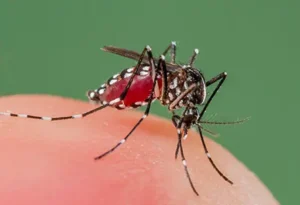
For some destinations, malaria prevention may also be discussed. This can involve medication as well as careful mosquito avoidance. Medication choices depend on the region, your medical history, other medicines you take and the length of your trip. It is important to take preventive medication exactly as prescribed, including any doses needed after returning home.
Your GP can also review regular medicines. You may need enough supply for the full trip, a letter explaining essential medicines, or advice about storing medicines safely during flights and in hot climates. Keep important medication in your carry-on luggage, not in checked baggage.
Do not rely only on online destination lists
Online health information can be a useful starting point, but it cannot account for your individual circumstances. Advice may be outdated, too broad for your itinerary or based on recommendations for a different type of traveller.
For example, two people flying to the same country may need different advice. One may be staying at a metropolitan hotel for three days, while another may be spending a month in rural areas, volunteering with animals and travelling during the wet season. A traveller with a chronic condition may also need different planning from someone who is otherwise well.
Country entry requirements are another reason to seek current medical advice. Some destinations may require proof of particular vaccinations in specific circumstances, including when arriving from or transiting through certain countries. Requirements can change, so it is sensible to check well before departure rather than discovering an issue at the airport.
Prepare for the appointment with a few key details
You do not need to over-prepare, but having the right information makes the consultation more efficient. Before your appointment, write down your full itinerary, including stopovers. Make a note of your departure date, planned activities, existing medical conditions, allergies, regular medication and any previous vaccine reactions.
It is also useful to consider the practical side of your trip. Will you have reliable access to bottled water? Are you likely to be far from medical services? Are you travelling during cyclone, monsoon or peak mosquito season? Will you be on a cruise, travelling with infants or visiting older relatives? These details can shape the advice you receive.
If several family members are travelling, consider booking appointments early enough to address everyone’s needs. Children may have different vaccine schedules and may need age-specific advice about food, hydration, insect bites and sun safety.
Understand the timing, costs and trade-offs
Travel vaccinations can involve costs, especially where vaccines are not covered through the National Immunisation Program. Your GP can explain the recommended options, expected dose schedule and whether a vaccine is essential for entry, strongly advised for your trip or optional based on your personal risk tolerance.
This is where an honest conversation helps. Some travellers have limited time before departure, a tight budget or an itinerary that is still changing. Your clinician can help you make practical decisions without minimising the risks. In many cases, combining vaccination with sensible prevention measures provides the best overall protection.
Remember that vaccination does not replace everyday travel precautions. Hand hygiene, safe food and water choices, insect repellent, protective clothing, condoms where relevant, seatbelts and travel insurance all have a role in staying well abroad.
Arrange follow-up care before you leave
Some vaccines require later doses for longer-term protection, even if an early dose helps before this particular trip. Ask when you need to return and set a reminder before you leave. If you have a complex medical history, it may also be helpful to discuss a written health plan for travelling.
Parkmore Medical Centre can support travellers with personalised GP advice in a familiar local care setting. Booking ahead gives your clinician the best opportunity to review your itinerary and immunisation needs without rushing.
If you become unwell during or after travel, seek medical care and mention where you have been, including any rural areas, animal contact, freshwater swimming, insect bites or illnesses experienced overseas. Some travel-related infections do not appear until after you return.
A little planning before departure can protect more than your holiday itinerary. It can help you spend your time away focused on the people, places and experiences you travelled for.