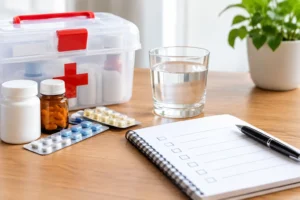

A lot can change in a year. A medication that once worked well may start causing dizziness. Walking to the shops might feel a little harder. Memory lapses may still be minor, but they can begin to affect day-to-day confidence. That is where health assessments for seniors can make a real difference. They give older adults and their families a clearer picture of overall health, not just one symptom at a time.
These appointments are designed to look at the bigger picture. Rather than focusing only on a cough, sore knee or prescription repeat, a senior health assessment reviews areas that often affect wellbeing as we age, including mobility, memory, mood, nutrition, medicines, hearing, vision and support at home. For many people, it is one of the most useful ways to stay ahead of health issues before they start to interfere with independence.
What are health assessments for seniors?
Health assessments for seniors are structured check-ups for older people, usually carried out by a GP with support from a practice nurse. They are preventive in nature, which means the goal is to identify concerns early, reduce avoidable complications and help each person stay as well and as independent as possible.
These assessments are not only for people who are already unwell. In fact, they are often most valuable when someone seems mostly fine but has a few small changes that could easily be brushed aside. Slower walking, reduced appetite, poor sleep, falls, social withdrawal or trouble managing medicines can all point to issues worth reviewing properly.
A health assessment can also help bring scattered concerns together. Families often notice things gradually – perhaps Mum is more tired, Dad is missing appointments, or a once-manageable health condition has become harder to keep on track. A dedicated assessment creates the time to talk through those patterns in a calm, organised way.
Why these assessments matter
Ageing does not look the same for everyone. Some people remain highly active into their eighties, while others may need extra support much earlier because of chronic illness, frailty or recovery after hospital care. That is why a tailored assessment matters more than a one-size-fits-all check-up.
The value is often in the details. A review of balance may lower the risk of falls. Looking at bladder symptoms might uncover a treatable issue that has been quietly limiting outings and sleep. A medicine review can highlight side effects or combinations that no longer suit a person well. Small improvements in these areas can have a big impact on confidence, mobility and quality of life.
There is also the practical side. Seniors often juggle multiple appointments, specialists and prescriptions. A GP-led assessment helps coordinate care, clarify priorities and make sure nothing important is missed. For patients and carers, that kind of continuity can be just as important as the clinical findings.
What happens during a senior health assessment?
The exact format can vary depending on a person’s age, medical history and current needs, but most assessments cover a similar set of topics. The appointment usually starts with a conversation about general health, existing conditions and any recent changes. That may include tiredness, pain, breathlessness, falls, sleep issues, memory concerns or changes in mood.
From there, the assessment often looks at lifestyle and day-to-day function. This can include eating habits, physical activity, smoking, alcohol use, continence, driving, home safety and whether the person is managing independently with shopping, cooking, cleaning and medications.
A clinician may also review:
- blood pressure and other routine observations
- current medications, including over-the-counter products
- hearing and vision concerns
- balance, mobility and falls risk
- memory and thinking changes
- mood, anxiety or social isolation
- vaccination status and preventive screening
Sometimes pathology tests or referrals are recommended if something needs a closer look. In other cases, the most helpful next step may be simpler, such as adjusting medications, arranging allied health support, updating care plans or checking in more regularly.
It is not just about finding problems
One reason some older adults put off assessments is the fear that the appointment will only focus on decline. In reality, a good senior health assessment should do more than list medical issues. It should identify strengths, support preferences and practical ways to maintain independence.
That might mean building on what is already working well. Someone who is socially connected, active and managing their health confidently may still benefit from advice around prevention, vaccinations or future planning. Another person may need help with a specific barrier, such as foot pain that is limiting exercise or hearing loss that is affecting communication.
The goal is to support ageing well, not to medicalise every part of later life. There is a balance to strike. Not every new ache needs extensive investigation, but equally, some changes should not be dismissed as just getting older.
Who should consider booking one?
In general, any older adult who has not had a broad review of their health in some time may benefit from an assessment. They can be particularly helpful for people who live with chronic conditions such as diabetes, heart disease, arthritis or lung disease, as well as those recovering from illness or hospitalisation.
They are also worth considering if there have been subtle changes that do not fit neatly into a standard short appointment. Recurrent falls, weight loss, increasing forgetfulness, trouble managing medicines, low mood, poor sleep or reduced confidence leaving the house are all good reasons to book.
Family members and carers are often the first to notice these shifts. If you are supporting an older parent or relative and something feels different, even if it is hard to pinpoint, a proper assessment can be a sensible next step. It creates space to raise concerns respectfully and plan support early.
The benefit of coordinated care
For seniors, healthcare can become fragmented quite quickly. One doctor manages blood pressure, another reviews joints, a pharmacist flags medicine questions, and a family member tries to keep track of it all. When care is disconnected, important details can slip through.
A general practice that offers coordinated support can make these reviews more useful. When GPs, nurses and allied health providers work together, it is easier to follow up recommendations, monitor changes over time and connect patients with the right services if needed. That is especially helpful for people managing more than one condition or those who prefer to attend a familiar local clinic rather than travelling between multiple sites.
For patients in Keysborough and nearby suburbs, having access to a regular GP and broader support in one place can reduce stress and make ongoing care more manageable. Parkmore Medical Centre provides health assessments as part of that connected, community-based approach to care.
How to prepare for health assessments for seniors
A little preparation can make the appointment more productive. It helps to bring an up-to-date list of medications, including vitamins and supplements, along with any recent hospital discharge papers or specialist letters. If there have been falls, memory changes or new symptoms, writing down a few examples beforehand can be useful.
If a family member or carer usually helps with appointments, they may wish to attend as well, with the patient’s consent. Their input can add context, especially when changes have developed gradually at home.
It is also worth thinking about practical concerns, not just medical ones. Has cooking become harder? Is showering less steady? Is hearing affecting conversations? These details matter because they often shape a person’s safety and independence more than a single test result.
When timing matters
There is no perfect moment to book a senior health assessment, but waiting until a crisis rarely helps. These appointments are most effective when they are part of preventive care, not only a response to a major decline.
That said, timing does depend on the person. Someone stable and well may only need periodic review, while a person with recent falls, worsening memory or several medication changes may need assessment sooner. If there is uncertainty, a GP can advise whether a dedicated assessment is appropriate or whether a standard appointment is the better first step.
Later life often brings gradual changes rather than dramatic ones. Paying attention to those smaller shifts, and having them reviewed in a thoughtful way, can help protect health, confidence and independence for longer. A well-timed assessment is not about expecting the worst. It is about making room for better care, earlier support and more informed decisions.