A beach holiday in Bali, a family visit overseas or a work trip through several countries can involve very different health risks. The best travel vaccines for adults are not a single set of injections for every traveller. They depend on where you are going, how long you will stay, the season, your planned activities, your previous vaccinations and your health history.
A travel health consultation gives you time to make informed choices before departure. Your GP can review your routine immunisations, discuss destination-specific protection and provide practical advice on food, water, insect bites, medicines and staying well while away.
Start with your routine vaccinations
Before considering destination-specific vaccines, check that your routine vaccinations are up to date. These protect you at home as well as overseas, and some illnesses that are uncommon in Australia still circulate widely in other parts of the world.
For many adults, this means reviewing protection against tetanus, diphtheria and pertussis, as well as measles, mumps and rubella. Influenza and COVID-19 vaccination may also be particularly relevant if you are travelling during a busy season, taking a cruise, visiting older relatives or have health conditions that increase your risk of serious illness.
Measles deserves special attention. It can spread quickly in airports, planes, accommodation and crowded tourist areas. Adults born during or after 1966 may need to confirm they have received two documented doses of a measles-containing vaccine, depending on their history. Your GP can help clarify what is appropriate for you.
The best travel vaccines for adults by destination
Your itinerary matters more than a country name on a booking confirmation. A short stay in a major city may carry different risks from rural travel, camping, visiting friends and relatives, working in remote areas or travelling during the wet season.
Hepatitis A
Hepatitis A is commonly recommended for travellers to destinations where food and water hygiene may be variable. It is spread through contaminated food, water or close contact with an infected person. The illness can cause fatigue, fever, nausea and jaundice, and recovery may take weeks or longer.
This vaccine is often considered for travel to parts of Asia, the Pacific, the Middle East, Africa, Central and South America and some other destinations. A first dose can offer useful protection even when travel is approaching, although earlier planning is preferred.
Typhoid
Typhoid vaccination may be advised when travelling to areas where typhoid fever is more common, especially for longer trips, regional or rural travel, or when staying with friends and relatives. It can be relevant for travellers who expect to eat frequently from street vendors or have limited access to safe water and sanitation.
Vaccination reduces risk but does not replace careful food and water choices. Bottled or treated water, thoroughly cooked food and regular hand hygiene remain sensible precautions.
Hepatitis B
Hepatitis B is spread through blood and body fluids. It may be recommended for extended travel, healthcare or volunteer work, adventure activities where injuries are possible, new sexual relationships, medical or dental treatment overseas, or travel to areas with higher rates of infection.
Many Australians received hepatitis B vaccination earlier in life, but records can be incomplete. A GP can check your history and discuss whether a course or booster is needed for your circumstances.
Yellow fever
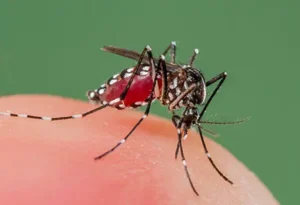
Yellow fever is a mosquito-borne viral illness found in parts of Africa and South America. Some countries require proof of yellow fever vaccination for entry, particularly if you are arriving from or transiting through a country with yellow fever risk.
This vaccine is not suitable for everyone and must be given through an approved yellow fever vaccination provider. It should be organised well ahead of travel because certification rules and timing requirements apply. Your travel doctor can advise whether you need the vaccine, a medical exemption or neither.
Rabies
Rabies is a serious viral infection spread through bites, scratches or saliva from infected mammals, including dogs, monkeys and bats. Pre-travel vaccination may be worth discussing if you will spend extended time in areas where prompt medical care is difficult to access, work with animals, cycle or hike in remote locations, or travel with children who may be more likely to approach animals.
Pre-travel vaccination does not mean an animal bite can be ignored. You still need urgent wound care and further treatment after a potential exposure. It can, however, simplify the treatment needed when medical services are limited.
Japanese encephalitis and meningococcal disease
Japanese encephalitis vaccination may be considered for certain travel to parts of Asia and the western Pacific, particularly with prolonged rural or outdoor exposure in areas where mosquitoes are active. The risk for most short-term urban travellers is low, which is why an individual assessment is useful.
Meningococcal vaccination may be recommended for travel to particular countries, large gatherings, university accommodation or areas experiencing outbreaks. For example, travellers attending major religious pilgrimages may have specific entry requirements.
Other vaccines, including cholera, may be appropriate in selected situations. The right choice is based on a careful assessment rather than a standard travel package.
When should you book a travel vaccine appointment?
Ideally, arrange your appointment six to eight weeks before you leave. Some vaccines need more than one dose, while others take time to produce the best immune response. Early planning also gives you time to organise prescriptions, discuss travel insurance and review any regular medicines.
Do not assume it is too late if your departure is sooner. There may still be vaccines, preventative medicines or practical measures that can reduce your risk. Bring your itinerary, vaccination record if available, a list of medicines and details of any previous reactions to vaccines.
Your health history can change the recommendation
Travel vaccine advice should account for more than your destination. Pregnancy, breastfeeding, immune system conditions, cancer treatment, allergies, chronic illness and medicines such as steroids or biologic therapies can affect which vaccines are suitable and when they should be given.
Live vaccines are not appropriate for some people, while others may need a different schedule or extra precautions. Older adults may also benefit from a review of routine vaccines before travel, particularly if they have heart, lung, kidney or immune conditions.
If you are travelling with a partner, children or older family members, it can be helpful to organise appointments early. Each person may need a different plan, even when everyone is visiting the same places.
Vaccines are only one part of travel health
Even the best travel vaccines for adults do not protect against every illness or injury. Depending on your trip, your GP may also discuss malaria prevention, mosquito bite protection, traveller’s diarrhoea, altitude illness, safe swimming, heat exposure and managing prescriptions across time zones.
Pack regular medicines in your carry-on luggage in their original packaging, with enough supply for the trip and a small contingency. Check whether your medicine is permitted at your destination, particularly for controlled medicines. Travel insurance with appropriate medical cover is equally valuable, as healthcare arrangements and costs can vary greatly overseas.
Good habits matter too. Use insect repellent as directed, wear protective clothing when needed, choose food that is freshly cooked and hot, drink safe water, and seek medical advice promptly if you develop fever, severe diarrhoea, a rash or breathing symptoms during or after travel.
A personalised consultation can turn a long list of possible vaccines into a clear plan that fits your trip. Parkmore Medical Centre can help travellers in Keysborough and surrounding suburbs prepare with practical, individualised travel health advice, so you can focus on the reason you booked the journey in the first place.