
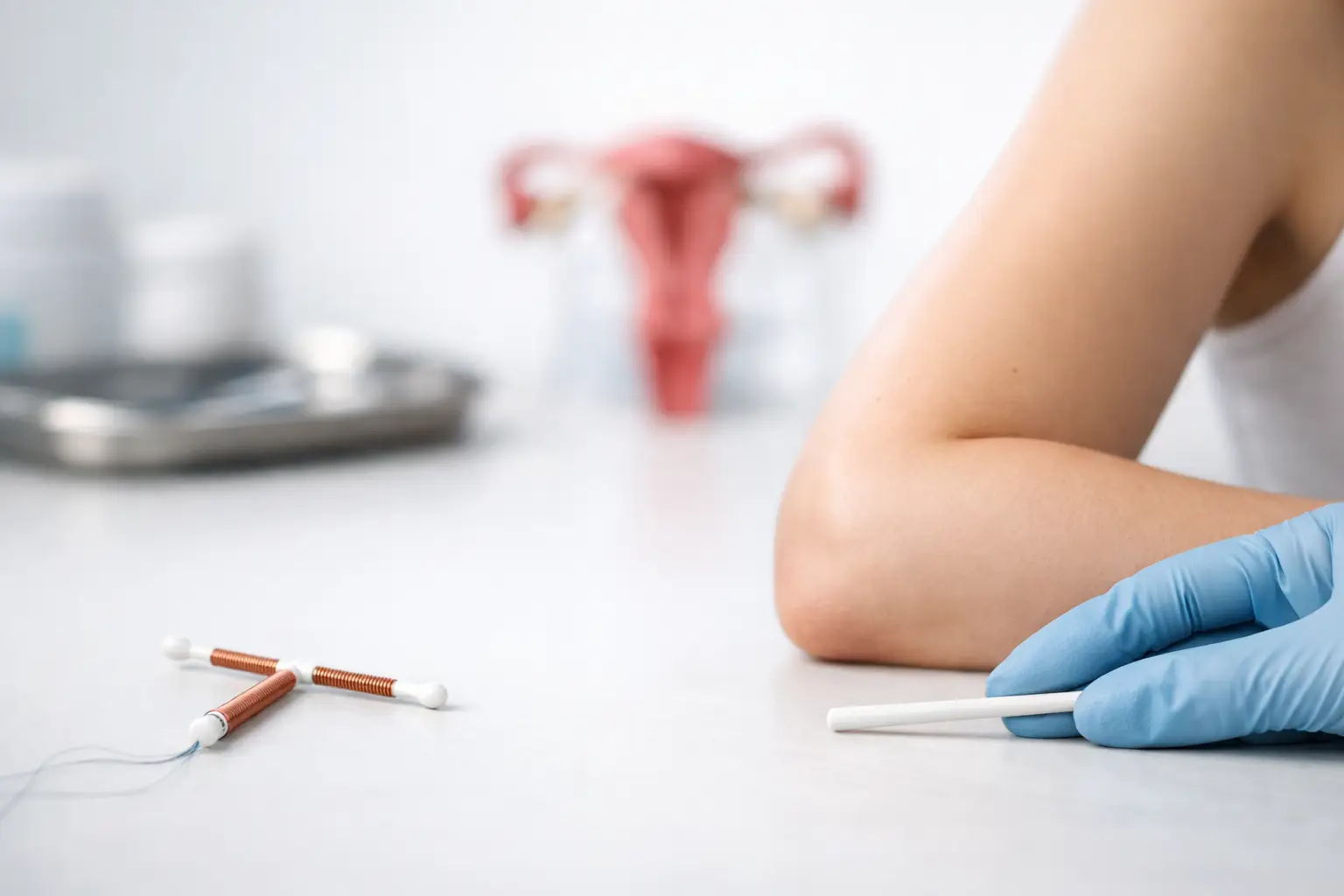
Choosing contraception is rarely just about effectiveness. For many women, the real question is how a method will fit around work, family, periods, comfort, future pregnancy plans and day-to-day life. When comparing IUD versus contraceptive implant, both options are highly effective and long-acting, but they are not interchangeable. The best choice depends on your body, preferences and medical history.
At a general practice level, this is a conversation worth having properly. A method that suits one person very well may be frustrating for someone else, especially when bleeding patterns, hormone sensitivity or insertion preferences come into the picture.
IUD versus contraceptive implant – what is the difference?
An IUD is a small device placed inside the uterus by a trained doctor. There are hormonal IUDs, which release a small amount of progestogen, and copper IUDs, which do not contain hormones. Depending on the type, an IUD can work for several years.
A contraceptive implant is a small rod inserted under the skin of the upper arm. It releases progestogen and provides long-acting contraception for up to three years. The procedure is usually quick and done under local anaesthetic.
Both methods are among the most effective reversible forms of contraception available in Australia. Once inserted, they do not require daily attention, which is a major advantage for people who do not want to think about pills, scripts or missed doses.
How effectiveness compares
If your priority is reliable pregnancy prevention, both methods perform extremely well. In real-world use, they are far more dependable than methods that rely on memory or timing, such as the oral contraceptive pill or condoms alone.
That said, effectiveness is not the only factor that matters. Some patients are more focused on lighter periods, while others want to avoid hormones where possible. Some are comfortable with a procedure involving the uterus, while others strongly prefer the arm implant because it feels more straightforward.
This is where a consultation matters. The most effective option on paper is not always the best option if side effects or the insertion process make it less acceptable to you.
Bleeding patterns and periods
For many women, this is the deciding factor.
Hormonal IUDs often make periods lighter and, for some women, they become very light or stop altogether. This can be especially helpful for people who already have heavy bleeding, painful periods or iron deficiency linked to menstrual loss.
Copper IUDs are different. They do not contain hormones, but they can make periods heavier, longer or more uncomfortable, particularly in the early months. For someone wanting hormone-free contraception, that trade-off may still be worthwhile. For someone already struggling with heavy periods, it may not be ideal.
The contraceptive implant can cause irregular bleeding. Some women have light and infrequent bleeding, some have no periods, and others experience spotting or unpredictable bleeding that becomes bothersome. This is one of the most common reasons people choose to have the implant removed earlier than planned.
So if regularity matters to you, or if irregular bleeding would be hard to manage around work, parenting or lifestyle, that is worth discussing early.
Hormones, side effects and suitability
The hormonal IUD and the implant both use progestogen, but they act differently in the body.
A hormonal IUD works mainly within the uterus, so the hormone effect is more localised. Some women find this suits them well, particularly if they are concerned about broader hormonal side effects. It is not side effect-free, but the hormone exposure is lower than some other methods.
The implant releases hormone systemically, meaning it circulates through the body. Many women use it without major problems, but some report acne, mood changes, breast tenderness, headaches or changes in bleeding. Not everyone experiences these effects, and some women tolerate the implant very well, but it is part of the decision.
A copper IUD may appeal to women who want an effective non-hormonal method. That can be useful if hormonal contraception has not suited you in the past, or if you simply prefer to avoid hormones.
Your personal health history also matters. Migraine, a history of clotting issues, menstrual symptoms, endometriosis concerns, current medications and plans for pregnancy can all influence what is most appropriate.
Insertion and removal
One of the biggest practical differences in IUD versus contraceptive implant is where the device goes and how it is inserted.
An implant is inserted under the skin of the upper arm after numbing the area. The procedure is usually brief, and removal is also done through a small procedure under local anaesthetic.
An IUD requires insertion through the cervix into the uterus. Some women find this quite manageable, while others find it uncomfortable or painful. The experience varies depending on the individual, whether they have given birth before, their anatomy and how anxious they feel on the day. It is reasonable to ask about pain relief options and what to expect before booking.
Removal of an IUD is usually quick, but as with insertion, it needs to be done by a trained clinician.
For some patients, the simpler idea of an arm procedure makes the implant more appealing. For others, the longer duration and possible period benefits of an IUD make the extra step worthwhile.
How long each method lasts
Duration can influence convenience and value.
Depending on the type, an IUD may last from five to ten years. A hormonal IUD used for contraception commonly lasts several years, while a copper IUD may last longer. This makes it attractive for women who want a set-and-forget option over the longer term.
A contraceptive implant lasts up to three years. That still offers strong convenience, but it will need replacing sooner if you want ongoing contraception.
If you are fairly sure you do not want pregnancy for many years, an IUD may suit that timeline better. If you want something long-acting but not quite as long term, the implant may feel like a better fit.
Fertility after removal
Both methods are reversible, and fertility generally returns quickly after removal.
For most women, there is no long-term delay caused by the method itself. If you want to try for pregnancy soon after stopping contraception, either option can work. The timing of your natural cycle settling back into its usual pattern may vary, but these methods do not usually cause ongoing fertility problems.
That can be reassuring for women who want reliable contraception now without closing the door on pregnancy later.
Cost and access
Upfront costs can vary depending on the device, whether you have a Medicare rebate for the procedure, and whether you need an initial consultation, insertion appointment and follow-up. Over time, both options can be cost-effective because they last for years.
It is worth asking not only about the device cost, but also the total process. That includes the consultation, any scripts, insertion fee, removal later on and whether there are rebates available. Clear information upfront helps you compare options properly.
Which option may suit you better?
An IUD may suit you if you want very long-term contraception, lighter periods with a hormonal IUD, or a hormone-free option through a copper IUD. It may also be a good fit if you prefer not to have to replace your contraception as often.
A contraceptive implant may suit you if you want a quick arm procedure, prefer not to have a device inserted into the uterus, or want a long-acting hormonal method that is simple to insert and remove.
Neither is automatically better. If heavy periods are a major issue, a hormonal IUD may stand out. If the idea of uterine insertion feels unacceptable, the implant may be more realistic. If irregular bleeding would be especially frustrating, that may weigh against the implant for some women. If avoiding hormones is your main goal, a copper IUD may be the stronger option.
Making the decision with your GP
Contraception works best when it is chosen with your actual life in mind, not just a brochure summary. A good discussion should cover your bleeding pattern, previous contraceptive experiences, comfort with procedures, future pregnancy plans and any relevant health issues.
At Parkmore Medical Centre, women’s health consultations can help you talk through these options in a practical, personalised way. That includes whether an IUD or implant is likely to suit your health needs, what the procedure involves and what follow-up care you may need.
The right choice is the one you feel comfortable using and confident managing. If you are weighing up IUD versus contraceptive implant, a clear conversation with a trusted GP can make the decision feel much simpler.